Armed Citizen Intervenes in Public Restroom Attack: First Person Defender| S6 E6

Published on October 27, 2018
Duration: 13:48

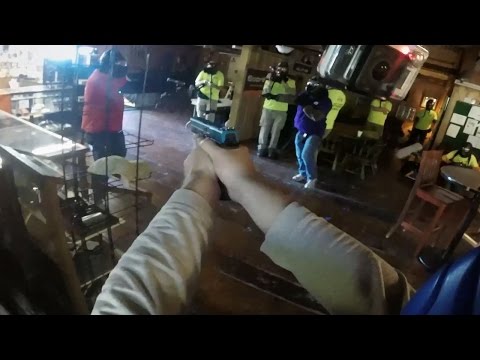
This video demonstrates critical techniques for intervening in a violent encounter, emphasizing situational awareness, proper entry procedures, and engagement tactics. The instructor highlights the importance of using cover, gaining a visual snapshot before entering, and stepping off the line of attack to avoid collateral damage. The content is presented through a force-on-force training scenario, offering practical lessons for armed citizens facing dangerous situations.

Quick Summary

An armed citizen intervening in a public altercation should prioritize calling 9-1-1, utilize cover, and gain a visual "snapshot" of the situation before fully entering. When engaging a threat, stepping off the line of attack is crucial to avoid hitting bystanders, and drawing a firearm should only occur when a clear, immediate threat is identified.

Chapters

  1. 00:00Introduction to First-Person Defender
  2. 00:30Scenario Setup: Rest Stop Altercation
  3. 00:41Force-on-Force Training Explained
  4. 00:53Initial Intervention Decision
  5. 01:03The Altercation Unfolds
  6. 01:15Participant Debrief: Initial Engagement
  7. 01:25Critique: Drawing the Firearm Too Early
  8. 01:40Critique: Entering the Women's Bathroom
  9. 01:51Critique: Threat Escalation and Engagement
  10. 02:11Real-World Intervention vs. Training
  11. 02:25Range Training: Front Sight Focus
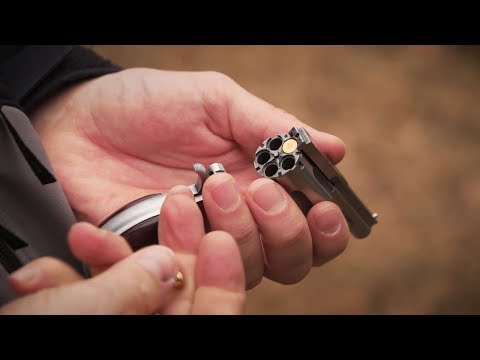
  12. 02:41Firearm Feature: Ruger SR 1911
  13. 02:54Live Fire Practice
  14. 03:09Defensive Entry Technique: Cover and Peek
  15. 03:32Critique: Drawing Firearm Speed
  16. 03:56Critique: Bystander Risk and Engagement Angle
  17. 04:08Sponsor Spotlights
  18. 04:27Scenario Replay: Initial Engagement
  19. 04:47Critique: Engaging with Bystanders Behind Threat
  20. 04:57Corrected Engagement: Sidestep Technique
  21. 05:05Scenario Replay: Corrected Engagement
  22. 05:35Firearm Feature: Springfield Armory XDM OSP
  23. 06:08Scenario Recap: Armed Citizen Intervention
  24. 06:25Second Scenario: Domestic Dispute
  25. 06:379-1-1 Call and Initial Assessment
  26. 06:56Second Scenario Debrief: Improved Tactics
  27. 07:15Second Scenario Engagement: Threat Identification
  28. 07:32Second Scenario Engagement: Backstop Clarity
  29. 07:53Conclusion and Takeaways

Frequently Asked Questions

What are the key principles for an armed citizen intervening in a public altercation?

An armed citizen should prioritize calling 9-1-1, utilize cover when approaching, gain a visual "snapshot" of the situation before fully entering, and step off the line of attack when engaging a threat to avoid hitting bystanders. Early assessment and controlled action are crucial.

What is a common mistake made by armed citizens during interventions, and how can it be avoided?

A common mistake is drawing a firearm too early or fully exposing oneself when investigating. To avoid this, use cover, peek through openings, and only draw when a clear, immediate threat is identified. Delaying the draw until necessary can de-escalate or provide more time for assessment.

How can an armed citizen minimize the risk of collateral damage when engaging a threat in a confined space?

The primary method is to "step off" the line of attack. This means moving laterally to create a better firing angle, ensuring that if rounds penetrate the threat, they do not hit innocent individuals positioned directly behind the assailant. Situational awareness is key.

What tactical advantage does using cover and a controlled peek offer during an intervention?

Using cover and a controlled peek allows the armed citizen to observe the situation without fully exposing themselves to potential threats. This provides critical time to assess the danger, identify targets, and plan their next move, significantly increasing their safety and effectiveness.

Related News

All News →

More Self Defense Videos You Might Like

More from Gun Talk Media

View all →