How to Decrease your Survivability by DUSTY

Published on December 31, 2021
Duration: 3:55

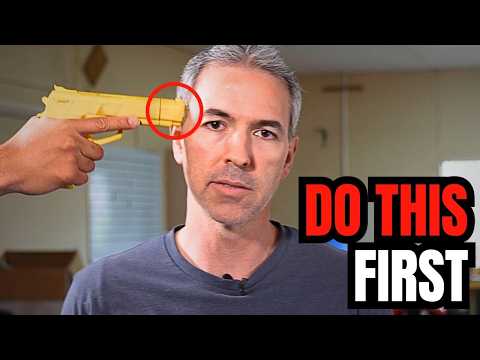
This video critiques a viral clip demonstrating a flawed self-defense response to a simulated gun threat. The instructor emphasizes that in a real-world violent encounter, the priority is to attack the aggressor and disarm them, not to passively resist or flee. The demonstration highlights the critical importance of maintaining the fight and driving on, even after being shot, to maximize survivability. The instructor advises against attempting to disarm an attacker if they are not immediately posing a lethal threat, suggesting compliance might be a safer option in such specific scenarios.


Quick Summary

In a violent encounter, the key to increasing survivability is to attack the attacker and fight on, even if you are shot. Passive resistance or fleeing reduces your chances. If the threat isn't immediately lethal, compliance might be a safer option than a risky disarm.

Chapters

  1. 00:00Introduction: Viral Video Critique
  2. 00:23Student Backgrounds and Resistance
  3. 00:58Discomfort vs. Resistance in Training
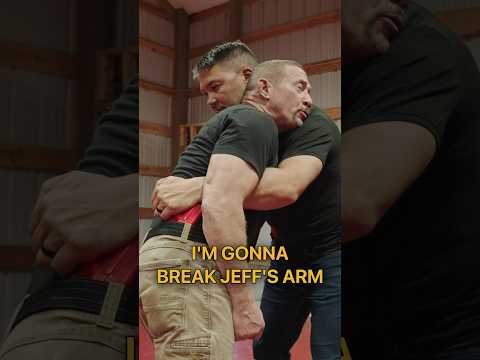
  4. 01:34Flawed Gun Disarm Attempt: Limp Wisting
  5. 01:45The Importance of Attacking the Attacker
  6. 02:00Fighting On After Being Shot
  7. 02:28Deciding When to Comply vs. Resist
  8. 02:35Conclusion: Increasing Your Survivability

Frequently Asked Questions

What is the most critical factor in increasing survivability during a gun threat?

The most critical factor is to actively attack the attacker and fight to survive, even if you are shot. Passive resistance or attempting to flee significantly decreases your chances of survival in a violent encounter.

When should you consider complying with an attacker instead of attempting a gun disarm?

If the attacker is not immediately posing a lethal threat with the firearm, it may be a safer tactical decision to comply with their demands. The goal is to survive, and a risky disarm attempt might not be necessary.

Why is resisting a training technique like a Z-lock detrimental?

Resisting a training technique, even if it causes discomfort, can lead to unnecessary injury and hinders the learning process. It's important to go with the technique to understand its application and limitations without causing harm.

What is the correct response to a violent criminal who is not immediately trying to kill you?

If a violent criminal is not actively trying to kill you with a weapon, it is often best to give them what they want. The decision to trust them or not is yours, but you should never let them decide your fate.

Related News

All News →

More Self Defense Videos You Might Like

More from Instructor Mike

View all →