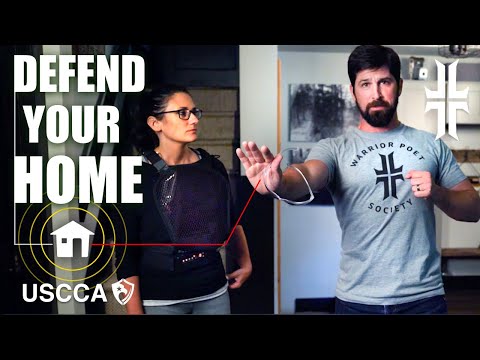
How to Develop a Safe Home Defense Plan - John Lovell, Warrior Poet Society

Published on August 28, 2019
Duration: 16:45

John Lovell of Warrior Poet Society emphasizes that a home defense plan is far more than just owning a firearm. It requires proactive measures like early warning systems, denying access to potential threats, and developing strong life habits to avoid becoming a target. He stresses the importance of a comprehensive strategy that considers various attack scenarios, including daytime invasions, and the need for family buy-in and practice.

Quick Summary

John Lovell emphasizes that a home defense plan's most underrated element is avoiding becoming a target through early warning, access denial, and secure life habits. He stresses that simply owning a gun is insufficient, as attackers are ambush hunters who strike quickly, making time a critical factor. A comprehensive plan requires family buy-in and proactive preparation for various scenarios.

Chapters

  1. 00:00Introduction to John Lovell and Home Defense
  2. 00:26John Lovell's Background in Special Operations
  3. 00:36Applying Tactical Principles to Home Defense
  4. 00:55Civilian Context: Laws and Collateral Damage
  5. 01:35John Lovell's Role as an Instructor
  6. 02:06Goal: Making Family Safer and Cheating the Plan
  7. 02:40Underrated Home Defense Item: Not Being a Target
  8. 03:07The Fallacy of 'I have a gun' as a Plan
  9. 03:23Attackers are Ambush Hunters: Out of Time
  10. 03:35Effort into Not Being a Target: Early Warning & Access Denial
  11. 04:05Comprehensive Home Defense Plan Elements
  12. 04:26The 'Gun in the Safe' Fallacy
  13. 04:54Life Habits: Closing Blinds and Locking Doors
  14. 05:35Tool Choice and Proper Staging
  15. 05:47Forgetting Your Concealed Carry Handgun
  16. 06:08Imagining Fights at 2-3 AM vs. Daytime Invasions
  17. 06:26Daytime Invasion Scenario: Wife and Kids Home Alone
  18. 07:03The Hard Work: Thought Experiments and What-If Plans
  19. 07:23Analogy: The Shiny Drawbridge vs. The Open Back Gate
  20. 08:05The Defender as the Sole Shooter
  21. 08:33The Need for Deep and Broad Thinking
  22. 09:04Considering Other Occupants in the Home
  23. 09:16Hesitancy and Lack of Buy-in from Family
  24. 09:35Getting Buy-in from Family: The 'Zombie Apocalypse' Training Day
  25. 10:17Making it About Love and Safety for Family
  26. 11:16Micro-Plans for Family Members
  27. 11:35Framing the Plan: 'So I Can Sleep Better at Night'
  28. 12:31Being True to Your Work: Practicing the Plan
  29. 13:04Panic Button and Firearm Retreat to Counter Ambush Spot
  30. 13:40Simulating a Kicked-In Backdoor
  31. 14:13Panic Button on Bed Frame
  32. 14:39Practicing Picking Up and Holding a Gun
  33. 15:06Dry Fire Practice: Get Comfortable with the Tool
  34. 15:17Short, Non-Committal Practice Sessions
  35. 15:42Getting Family Their Own Carry Guns
  36. 16:03Encouraging Family at the Range
  37. 16:23Conclusion and Channel Promotion

Frequently Asked Questions

What is the most underrated aspect of home defense?

According to John Lovell, the most underrated aspect of home defense is not being a target. This involves proactive measures like early warning systems, denying access to threats, and developing secure life habits, rather than solely relying on having a firearm.

How can I get my family to buy into a home defense plan?

John Lovell suggests framing the plan around your love for them and your need to sleep better at night, making it about their safety and your peace of mind. Short, non-committal practice sessions and making the process easy and comfortable can also foster buy-in.

Why is having a gun not enough for home defense?

Having a gun is only one component. A true home defense plan requires proactive steps like early warning, access denial, and consistent security habits. Many people fail to plan for the time it takes to access their firearm or for scenarios where they might not be able to reach it.

What are key elements of a comprehensive home defense strategy?

A comprehensive strategy includes early warning systems, denying access to potential threats, establishing secure life habits (like locking doors and closing blinds), having a plan for daytime invasions, and ensuring all family members understand and agree with the plan.

More Self Defense Videos You Might Like

More from USCCA

View all →