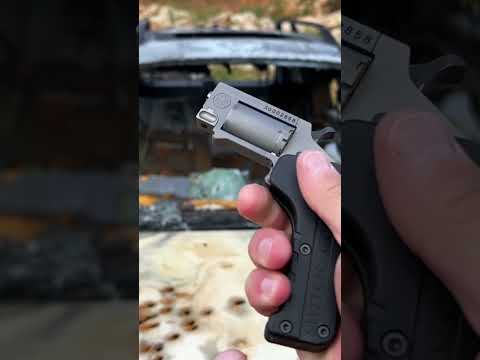
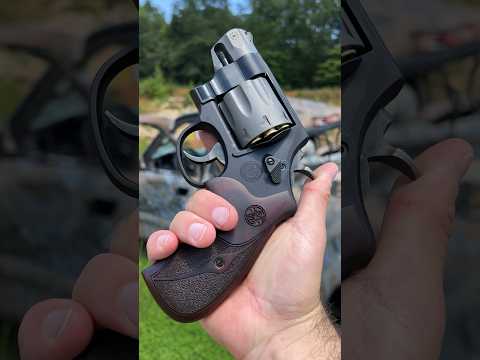
How To Pick A Hand Gun For Personal Defense

Published on January 31, 2021
Duration: 18:22

This video provides a comprehensive guide for new shooters on selecting a handgun for personal defense, covering home defense, car defense, and concealed carry. It emphasizes understanding recoil management, the benefits of larger frame firearms for home defense, and the trade-offs between semi-automatics and revolvers. The instructor, with apparent expertise in firearms instruction, breaks down options like striker-fired versus hammer-fired mechanisms and discusses the challenges and considerations for smaller concealed carry firearms.

Quick Summary

For new shooters, a full-size 9mm semi-automatic handgun is ideal for home defense due to better recoil management. Smaller guns often have more felt recoil. For concealed carry, balance concealability with shootability; slim nines offer a good compromise, but ensure you can manage the recoil of your chosen firearm.

Chapters

  1. 00:00Introduction: Choosing a Handgun
  2. 00:57Home Defense Handgun Recommendations
  3. 02:00Recoil Management: Size vs. Weight
  4. 03:34Semi-Automatic Options for Home Defense
  5. 04:51Hammer-Fired vs. Striker-Fired
  6. 07:37Car Defense Handgun Considerations
  7. 08:11Revolvers for Defense: Pros and Cons
  8. 10:11Concealed Carry Handgun Nuances
  9. 11:04Pocket Pistols: Challenges and Options
  10. 13:47Slim Nines: Compact Concealed Carry
  11. 15:24Concealed Carry Revolvers
  12. 16:26Summary and Final Recommendations

Frequently Asked Questions

What is the best handgun for a new shooter for home defense?

For home defense, a full-size 9mm semi-automatic handgun is recommended for new shooters. These larger firearms absorb recoil better, making them easier to control and shoot accurately. Options like the Glock 17 offer simplicity and capacity, while hammer-fired models provide different trigger characteristics.

Why are smaller handguns often harder to shoot for beginners?

Smaller handguns are often harder for beginners because their light weight means more recoil is transferred directly to the shooter's hand and wrist. This can lead to difficulty in controlling the firearm, reduced accuracy, and an uncomfortable shooting experience, contrary to the assumption that smaller is always easier.

What are the main differences between semi-automatic handguns and revolvers for self-defense?

Semi-automatic handguns typically offer higher ammunition capacity and the ability to easily mount accessories like lights. Revolvers are known for their simplicity of operation and reliability, especially in clearing malfunctions, but have lower capacity and fewer accessory options. Both have their place depending on the user's needs and training.

What should I consider when choosing a concealed carry handgun?

For concealed carry, consider concealability versus shootability. Smaller guns like micro .380s are easier to hide but can be difficult to control due to recoil. Slim nines offer a balance, while larger guns are easier to shoot but harder to conceal. Always prioritize being able to handle the recoil of your chosen firearm.

Related News

All News →

More Self Defense Videos You Might Like

More from 704 TACTICAL

View all →