Nurse Assaulted in Clinic Robbery: First Person Defender|S3 E8

Published on December 15, 2015
Duration: 14:48

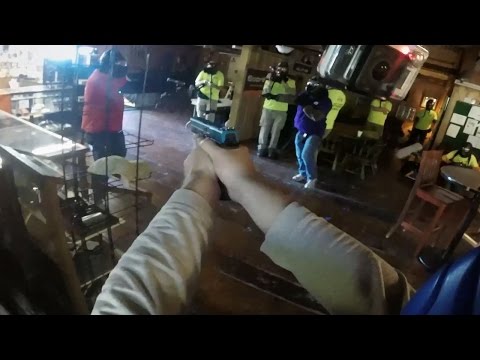
This video demonstrates a self-defense training drill focused on creating distance and utilizing cover during a confrontation. It emphasizes purposeful movement to place barriers between the defender and an attacker, maintaining threat focus, and drawing a firearm efficiently. The drill highlights the importance of not allowing an attacker to close the distance and the tactical advantage of using the environment for protection.

Quick Summary

In self-defense, understanding the reactionary gap is vital. An attacker can cover over 21 feet before you can draw and fire, making close distances extremely dangerous. Prioritize carrying your firearm on your hip for immediate access and use purposeful movement to create distance and utilize cover.

Chapters

  1. 00:00Introduction to First Person Defender
  2. 00:27Nurse Faces Armed Robber Scenario
  3. 00:42Christine's Motivation for Concealed Carry
  4. 01:38Concerns Working Nights
  5. 02:05Simulating a Workplace Attack
  6. 02:24Safety Briefing and Role Player Rules
  7. 03:19Attacker Demands Drugs
  8. 03:44Condition Crimson: Stand and Fight
  9. 04:23Scenario Replay: Nurse Attacked
  10. 05:28Defender's Hesitation and Distance
  11. 06:05Analysis: Reactionary Gap and Distance
  12. 06:30Carrying in Purse vs. On Hip
  13. 06:55Holster Draw and Live Fire Drill
  14. 07:43Importance of Purposeful Movement
  15. 08:20Movement Drill: One Step Right
  16. 08:37Movement Drill: One Step Left
  17. 09:09Defender's Actions and Nerves
  18. 09:19Crossbreed Holsters Feature
  19. 09:38Remington 1911 Feature
  20. 09:55Smith & Wesson M&P Shield Feature
  21. 10:30Commonality of Clinic Robbery Scenarios
  22. 10:40Instructor's Assessment of Defender's Actions
  23. 11:02Alternate Modes of Carry Discussion
  24. 11:13Second Scenario: At the Desk
  25. 11:41Attacker Confrontation at Desk
  26. 12:16Defender's Hesitation and Weapon Malfunction
  27. 12:27Second-Guessing and Panic
  28. 13:16Weapon Identification Under Stress
  29. 13:37Value of Experiencing Stress in Training
  30. 13:45Using Desk as Intermediate Barrier
  31. 13:53Commitment to Carrying a Firearm
  32. 14:07Conflicts as Problem-Solving
  33. 14:24Defender's Performance Assessment

Frequently Asked Questions

What is the critical distance to be aware of in a self-defense encounter?

It's crucial to understand that an average human can cover over 21 feet before a shooter can draw and fire. Therefore, distances of 4-5 feet are considered 'way too close' and dangerous, necessitating immediate action to create distance or use cover.

Why is carrying a firearm on your hip recommended over in a purse?

Carrying a firearm on your hip ensures immediate access during a threat. A purse can be snatched or lost, rendering the firearm inaccessible or even turning it into a weapon for the attacker. On-body carry is a more reliable method for self-defense.

How can movement be used effectively in a self-defense situation?

Purposeful movement, like taking a step to the side, can place intermediate objects such as chairs or desks between you and an attacker. This creates distance, provides cover, and can neutralize the effectiveness of close-contact weapons.

What common mistake can occur when drawing a firearm under stress?

A common mistake is attempting to rack a round into the chamber after drawing the firearm. This action, often done under stress, can lead to a malfunction or jam, preventing the firearm from being ready to fire when needed most.

Related News

All News →

More Self Defense Videos You Might Like

More from Gun Talk Media

View all →