Off-Duty Cop Stops Violent Beating!

Published on December 6, 2024
Duration: 16:23

This video analyzes an off-duty law enforcement officer's intervention in a violent assault. It highlights the importance of situational awareness, tactical decision-making, and effective shot placement in self-defense scenarios. The analysis emphasizes the benefits of closing distance for a more advantageous shot and discusses the proper post-engagement firearm retention and carry methods.

Quick Summary

In self-defense, closing the distance on a threat can provide a tactical advantage, allowing for more precise shots, especially if the attacker's back is turned. While verbal commands are generally advised before using deadly force, immediate, extreme violence may necessitate direct action. Maintaining a firm grip and tactical posture post-engagement is crucial until law enforcement arrives.

Chapters

  1. 00:00Introduction: Intervention in Violence
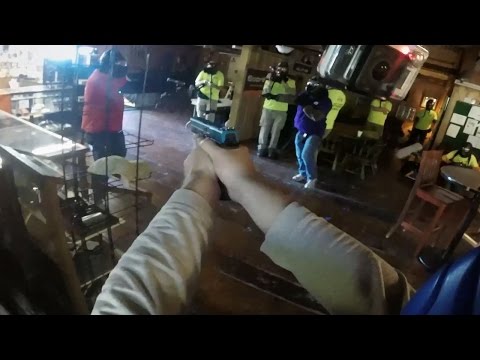
  2. 00:13First-Person Defender Scenario Setup
  3. 01:22The Violent Assault Unfolds
  4. 02:34Officer Paul's Account of the Incident
  5. 03:23Tactical Decision: Shooting from Outside
  6. 04:00Law Enforcement vs. Civilian Intervention
  7. 04:20Accidental Hit on the Victim
  8. 05:07Range Training: HK VP9 SK
  9. 05:50Critique: Verbal Commands & Shot Placement
  10. 06:23Critique: Engaging from Too Far Away
  11. 06:57Training: Movement and Closing Distance
  12. 07:23Demonstration: Closing Distance for Effective Shots
  13. 08:30Improved Shot Placement with Closer Distance
  14. 08:54CG Holsters: Features and Use
  15. 09:31Post-Fight Firearm Retention
  16. 10:48Unoffensive Firearm Carry Position
  17. 11:07Training with HK416 in .22 LR
  18. 12:02Second Scenario: Different Threat Assessment
  19. 13:18Paul's Analysis of the Second Scenario
  20. 14:26Discussion: Verbal Commands vs. Immediate Threat
  21. 14:49The Importance of Slowing Down and Assessing
  22. 15:10Summary: Key Takeaways from Scenarios
  23. 15:41When Civilians Might Need to Close Distance
  24. 16:11More Content from Gun Talk Media

Frequently Asked Questions

What tactical advantage does closing the distance offer in a self-defense situation?

Closing the distance can offer a tactical advantage, especially if the threat's back is turned. It allows for a more precise shot, better control of the situation, and the ability to transition to other defensive actions if necessary, such as disarming or using less-lethal force.

When should verbal commands be used in a self-defense encounter?

Verbal commands should be used when feasible before resorting to deadly force, as suggested by Supreme Court rulings. However, in situations of extreme, immediate violence, there may not be time for verbal commands, and direct action might be necessary to protect life.

What is the recommended firearm carry position after a self-defense incident?

After a confrontation, it's advised to maintain a tactical posture. This can involve a compressed high-ready or an unoffensive low-ready position with a firm grip on the firearm. This allows for quick re-engagement if needed while appearing less aggressive to arriving law enforcement.

Why is a hard front sight focus important for shooting accuracy?

A hard front sight focus is crucial for accurate shooting, especially under stress. Your eyes naturally want to focus on the threat, but training yourself to maintain a crisp focus on the front sight ensures better alignment and allows for precise shots when they are most critical.

Related News

All News →

More Self Defense Videos You Might Like

More from Gun Talk Media

View all →