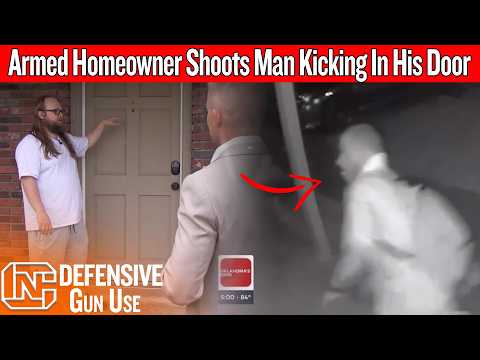
Paralyzed Man May Face Charges for Shooting Armed Robber

Published on December 18, 2023
Duration: 8:04

This video discusses a case in Baltimore County, Maryland, where a paralyzed man faces potential charges after shooting an armed robber attempting to break into his home. It highlights the complexities of self-defense laws, particularly in Maryland, emphasizing the need for the force used to be equal to or less than the perceived threat and the absence of a duty to flee within one's home. The discussion also touches upon the importance of legal defense preparedness and the potential financial burden of legal fees following a self-defense incident.

Quick Summary

In Maryland, self-defense is permissible if the force used is equal to or less than the perceived threat. The individual must reasonably believe they are in imminent danger of death or serious bodily harm, and there is no duty to retreat within one's home. Even in clear self-defense scenarios, individuals may still face charges, necessitating legal defense and potentially significant legal fees.

Chapters

  1. 00:00Introduction: Paralyzed Man Faces Charges
  2. 00:20Defensive Gun Uses in the News
  3. 00:48Florida Catalytic Converter Theft Incident
  4. 00:68Frequency of Defensive Gun Uses
  5. 00:86Importance of Preparedness for Self-Defense
  6. 00:97The Alan Coley Case and Legal Coverage
  7. 01:21Attorneys on Retainer Program
  8. 01:39Updates to Legal Defense Coverage
  9. 01:57Baltimore Case Details Emerge
  10. 02:05Homeowner vs. Victim Clarification
  11. 02:30Homicide Classification and Neighborhood Context
  12. 02:60Guns as the Great Equalizer
  13. 02:75Ongoing Investigation and Potential Charges
  14. 02:83Maryland Gun Laws and Investigation Time
  15. 02:97Self-Defense Laws in Maryland
  16. 03:11Reasonable Belief of Threat and Proportionality
  17. 03:23Avoiding Aggression and Provocation
  18. 03:29Maryland Self-Defense Doctrine and Home Defense
  19. 03:44No Duty to Flee in Home and State's Attorney Role
  20. 03:53Factors for State's Attorney Review
  21. 03:70Fitting the Self-Defense Bill
  22. 03:76Possibility of Charges and Legal Fees
  23. 03:88Financial Burden of Legal Defense
  24. 03:57Suspect's Death and Potential Legal Arguments
  25. 04:17Conclusion and Future Updates
  26. 04:35Call to Action and Outro

Frequently Asked Questions

What are the self-defense laws in Maryland regarding the use of force?

In Maryland, self-defense is permitted if the force used is equal to or less than the perceived threat. The individual must reasonably believe they are in imminent danger of death or serious bodily harm, and there is no duty to retreat within one's home.

Can a paralyzed individual face charges for shooting an armed robber in their home?

Yes, even if a paralyzed individual shoots an armed robber attempting to break into their home, they may still face charges. The legal system will assess if the shooting was a justifiable act of self-defense under state law, considering factors like the perceived threat and proportionality of force.

What legal considerations are important after a self-defense shooting incident?

After a self-defense shooting, it's crucial to be prepared for potential legal defense. This includes understanding state laws, having legal counsel, and being aware that even justified shootings can lead to investigations and legal proceedings, which can incur significant costs.

Does Maryland have a 'Castle Doctrine' for self-defense?

While Maryland does not explicitly have a statute named the 'Castle Doctrine,' its laws provide strong protections for self-defense within one's home. Courts have established that there is a right to use deadly force to defend against imminent threats of death or serious bodily harm in one's home, with no duty to retreat.

Related News

All News →

More Self Defense Videos You Might Like

More from Liberty Doll

View all →