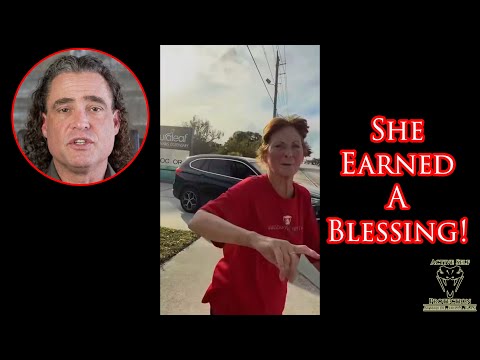
Portland Resident Risks Life to Stop Car Thief

Published on November 9, 2023
Duration: 8:01

This video from Active Self Protection, featuring John Correia, analyzes a self-defense incident in Portland, Oregon. It emphasizes the critical importance of empty-handed defensive skills, tactical awareness, and risk assessment when intervening in crimes. Correia, a subject matter expert, provides a detailed breakdown of the event, highlighting mistakes made and offering actionable advice for personal safety and effective response in high-risk situations.

Quick Summary

John Correia of Active Self Protection analyzes a Portland self-defense incident, emphasizing the critical need for empty-handed skills and risk assessment. He advises prioritizing safety, understanding cover vs. concealment, and maintaining situational awareness (Condition Orange) to effectively navigate dangerous encounters and avoid unnecessary escalation.

Chapters

  1. 00:00Introduction and Sponsorship
  2. 00:46Incident Breakdown
  3. 01:49Prevention and Risk Assessment
  4. 03:49Empty-Handed Skills
  5. 04:32Tactical Analysis: Breaking Contact
  6. 05:51Situational Awareness and Cover

Frequently Asked Questions

What are the key takeaways from the Portland self-defense incident analyzed by Active Self Protection?

The analysis stresses the importance of empty-handed skills, maintaining situational awareness (Condition Orange), and understanding the difference between cover and concealment. It also advises against escalating confrontations once a suspect attempts to flee and highlights the need to secure vehicles against theft.

What tactical advice does John Correia offer regarding intervening in property crimes?

John Correia advises extreme caution when intervening in property crimes, emphasizing risk assessment. He suggests that locking car doors is the primary defense against theft and that citizens should prioritize their safety over apprehending suspects, especially if the suspect is attempting to flee.

Why are empty-handed defensive skills crucial for firearm carriers?

Firearm carriers must possess empty-handed defensive skills because confrontations can quickly escalate. Training in grappling arts like Judo, Sambo, or Muay Thai can help manage physical altercations before they reach the point of lethal force, ensuring better control and safety.

What is the difference between cover and concealment in a self-defense scenario?

Cover provides ballistic protection, meaning it can stop bullets, such as a thick concrete wall. Concealment, like a car door, only hides you from view but offers little to no protection against gunfire. Understanding this distinction is vital for tactical positioning.

Related News

All News →

More Self Defense Videos You Might Like

More from Active Self Protection

View all →