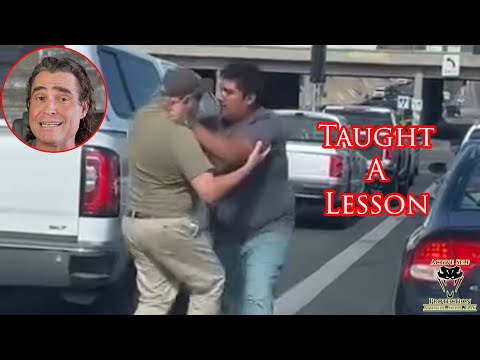
Twisted Tea Incident: Lessons From A Famous Gas Station Fight | Active Self Protection

Published on May 25, 2026
Duration: 8:47

This analysis of the "Twisted Tea Incident" by Active Self Protection emphasizes de-escalation and escape as primary self-defense strategies. It highlights the legal risks of initiating physical contact, even when provoked, and suggests non-lethal options like OC spray as effective deterrents before physical engagement. The video stresses the importance of understanding the legal definition of an aggressor and the potential consequences of using force, even in response to aggression.

Quick Summary

The "Twisted Tea Incident" analysis emphasizes de-escalation and escape as primary self-defense strategies, highlighting the legal risks of initiating physical contact. It suggests non-lethal options like OC spray as effective deterrents before physical engagement, stressing the importance of understanding the legal definition of an aggressor and the consequences of using force.

Chapters

  1. 00:00Introduction & Sponsor
  2. 00:40The "Twisted Tea" Incident Overview
  3. 01:32Verbal Aggression & Escalation
  4. 02:40Legal Ramifications of Force
  5. 03:14Physical Confrontation Begins
  6. 03:50Ideal Use of OC Spray
  7. 04:18Ground Fighting & Control
  8. 04:43Legal Justification for Defense
  9. 04:50Social Interaction & Consequences

Frequently Asked Questions

What are the key self-defense lessons from the "Twisted Tea Incident"?

The "Twisted Tea Incident" highlights the importance of de-escalation and escape as primary self-defense strategies. It underscores the legal risks of initiating physical contact, even when provoked, and suggests non-lethal options like OC spray as effective deterrents before physical engagement.

When is it legally permissible to use force in self-defense?

In self-defense, force is generally permissible when you are not the initial aggressor and face an immediate threat of harm. However, the level of force used must be reasonable and proportionate to the threat, with de-escalation and avoidance being preferred legal strategies.

What is the role of verbal de-escalation in self-defense?

Verbal de-escalation is a crucial first step in self-defense. While verbal abuse is unacceptable, legally, it often does not justify immediate physical retaliation. The focus should be on disengaging or creating distance if possible, rather than engaging verbally to a point of escalation.

What are the legal implications of using an object like a can of tea as a weapon?

Using an object like a can of tea to strike someone can be legally classified as assault, even if the recipient was verbally aggressive. An "overzealous prosecutor" might consider it the use of a weapon, potentially leading to charges for the defender if not clearly justified by immediate physical threat.

Related News

All News →

More Self Defense Videos You Might Like

More from Active Self Protection

View all →