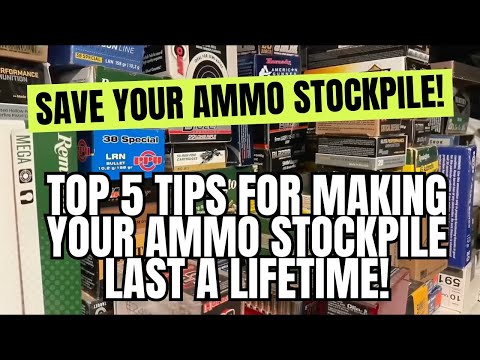
Ammo Storage || Tips & Tricks to Save Money and Get More Range Time

Published on November 10, 2022
Duration: 9:45

This guide covers best practices for both short-term and long-term ammunition storage. Short-term focuses on mobility and convenience for range trips or emergency situations, recommending products like MTM ammo cans and Vertex range bags. Long-term storage emphasizes protecting ammunition from environmental factors like humidity and moisture using sealed containers and desiccant packs, while also advising on ammunition rotation to maintain readiness and mitigate rising costs.

Quick Summary

For effective ammo storage, short-term solutions prioritize mobility with containers like MTM ammo cans or range bags. Long-term storage requires protecting ammunition from humidity and moisture using sealed containers and desiccant packs. Rotate your ammunition by using older stock for training and replacing it to maintain readiness and combat price increases.

Chapters

  1. 00:00Introduction: Rising Ammo Costs
  2. 00:13Ammo Storage Categories: Short-Term vs. Long-Term
  3. 00:22Short-Term Ammo Storage Explained
  4. 00:57Recommended Short-Term Storage: MTM Ammo Cans
  5. 01:26Recommended Short-Term Storage: Vertex Range Bags
  6. 01:44Long-Term Ammo Storage Considerations
  7. 02:08Military Ammo Cans for Long-Term Storage
  8. 02:15Proper Ammo Loading for Storage
  9. 02:32Using Desiccant Packs
  10. 02:46Example: Ammo in Cardboard Boxes (Not Long-Term)
  11. 03:02Steel Case Ammo & Rust Considerations
  12. 03:13Why Cardboard is Bad for Long-Term Storage
  13. 03:38Battle Packs for Long-Term Storage
  14. 04:03Reasons to Keep Ammo on Hand
  15. 04:25How Much Ammo Should You Store?
  16. 04:35Tier 1: Minimum Ammo Storage
  17. 05:05Tier 2: Medium Ammo Storage
  18. 05:50Tier 3: 'Big Kahuna' Ammo Storage
  19. 06:07Ammunition Cycling and Rotation
  20. 07:16Types of Ammunition
  21. 07:255.56 NATO Ammunition Types
  22. 07:50Choosing Ammo Based on Context
  23. 08:29Ammunition Cost Comparison
  24. 08:43Keep It Simple: KISS Principle
  25. 09:08Diversify Your Ammunition
  26. 09:19Conclusion: Prior Planning

Frequently Asked Questions

What are the key differences between short-term and long-term ammo storage?

Short-term ammo storage focuses on mobility and convenience, using easily transportable containers like MTM ammo cans or range bags for quick access to loaded magazines. Long-term storage prioritizes protecting ammunition from environmental factors like humidity and moisture to ensure its longevity, typically using sealed containers.

How can I protect ammunition from moisture during long-term storage?

To protect ammunition from moisture during long-term storage, use sealed containers like military-surplus ammo cans. Remove ammunition from cardboard boxes, as cardboard can absorb moisture. Additionally, incorporate desiccant packs into the storage container to absorb residual oils and ambient humidity.

What is the recommended approach for rotating stored ammunition?

Ammunition rotation involves using your oldest ammunition first when you go to the range for training. To maintain your stock levels, replace the rounds you shoot with new ammunition. This practice ensures you always have a fresh supply and helps mitigate the impact of fluctuating ammo prices.

What are the suggested tiers for ammunition storage quantity?

The video suggests three tiers: a minimum of two battle loadouts per firearm, a medium tier of about 1,000 rounds per firearm caliber, and a 'Big Kahuna' tier of 10,000 rounds per firearm. The higher tiers are recommended to hedge against rising costs and ensure preparedness.

More Tactical & Gear Videos You Might Like

More from Big Daddy Unlimited

View all →