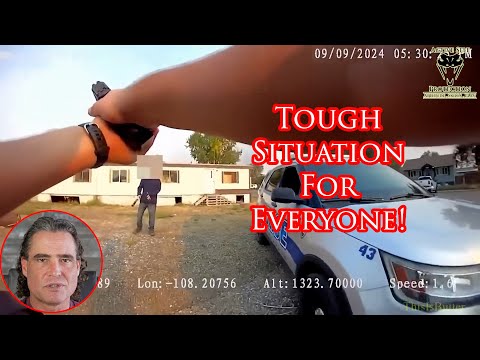
Armed Perp Gets Run Over By Police Vehicle

Published on August 23, 2023
Duration: 11:58

This video analyzes a critical incident where police utilized vehicles to neutralize an armed suspect. Hosts John Correia and Mike Willever, with high authority and expertise in tactical threat assessment and legal case citations, break down the decision-making process. The analysis covers the suspect's actions, including firing at officers, and the tactical justification for using police vehicles as a means of deadly force, referencing legal precedents.

Quick Summary

Police may use vehicles as a tool for force, such as in vehicle interventions, to safely and effectively stop an immediate threat, especially when a suspect is armed and actively firing. This tactic can be safer than engaging in a direct gunfight, minimizing risk to officers and bystanders. The use of deadly force is governed by precedents like Tennessee v. Garner.

Chapters

  1. 00:00Introduction and Sponsorship
  2. 00:42Incident Overview
  3. 01:13Foot Pursuit and Shooting
  4. 01:52Vehicle Intervention
  5. 02:21Fundraising for SWAT Ministries
  6. 03:51Tactical and Legal Analysis
  7. 07:30Vehicle as a Tool for Force
  8. 08:53Perception and Threat Assessment

Frequently Asked Questions

What legal precedent governs the use of deadly force against a fleeing felon?

The use of deadly force against a fleeing felon is primarily governed by the Supreme Court case Tennessee v. Garner. This ruling established that deadly force is only justified if the officer has probable cause to believe the suspect poses a significant threat of death or serious physical injury to the officer or others.

Why might police use vehicles as a tool for force?

Police may use vehicles as a tool for force, such as in vehicle interventions, to safely and effectively stop an immediate threat, especially when a suspect is armed and actively firing. This tactic can be safer than engaging in a direct gunfight, minimizing risk to officers and bystanders.

What is the significance of officer perception in split-second use-of-force decisions?

Officer perception is crucial in split-second decisions. Even if a suspect drops their weapon, an officer's perception of an ongoing threat, based on the suspect's actions and the totality of circumstances, can justify subsequent actions to neutralize that perceived threat.

What charges might an armed suspect face after firing at police?

An armed suspect who fires at police vehicles could face multiple serious charges, including aggravated assault on a police officer, attempted murder, and weapons charges. These charges reflect the extreme danger posed to law enforcement and the public.

Related News

All News →

More Tactical & Gear Videos You Might Like

More from Active Self Protection

View all →