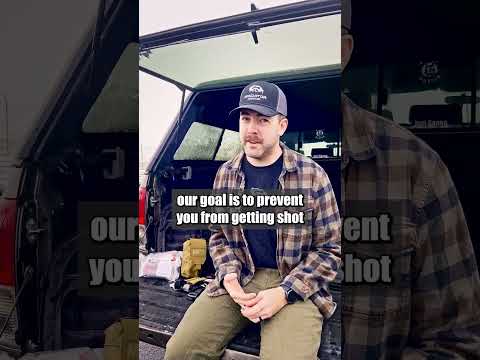
Blow Out Kits Explained with Skinny Medic

Published on August 3, 2016
Duration: 28:53

This guide, based on insights from Iraqveteran8888 and Skinny Medic, details the essential components and application techniques for a blowout kit. It emphasizes the distinction between blowout and first aid kits, the importance of the MARCH algorithm for trauma assessment, and the proper use of critical items like tourniquets, chest seals, and hemostatic agents. The guide stresses self-sufficiency and the necessity of hands-on training to effectively manage life-threatening bleeding and penetrating wounds.


Quick Summary

A blowout kit is distinct from a standard first aid kit, designed for life-threatening bleeding and penetrating wounds requiring immediate intervention like tourniquets or pressure dressings. The MARCH algorithm guides trauma assessment: Massive Hemorrhage, Airway, Respiration, Circulation, and Hypothermia. Recommended tourniquets include the CAT and SOFTT, with the CAT noted for one-handed application. Hemostatic agents are used for deep wounds where tourniquets are not feasible.

Chapters

  1. 00:00Introduction to Blow Out Kits
  2. 01:46Blow Out Kit vs. First Aid Kit
  3. 02:33USGI Blow Out Kit Review
  4. 03:25Tourniquets: CAT and SOFTT
  5. 06:15The MARCH Algorithm
  6. 09:13SWAT-T Tourniquet Assessment
  7. 13:17Hemostatic Agents and Gauze
  8. 17:30Portability and Kit Design
  9. 21:10Advanced Kit Components
  10. 25:22Conclusion

Frequently Asked Questions

What is the primary difference between a blowout kit and a standard first aid kit?

A blowout kit is specifically designed for immediate, life-threatening bleeding and penetrating trauma, requiring interventions like tourniquets and pressure dressings. A standard first aid kit typically handles minor cuts, scrapes, and less severe injuries.

What is the MARCH algorithm and why is it important for trauma care?

The MARCH algorithm is a critical assessment tool for trauma patients, prioritizing interventions for Massive Hemorrhage, Airway, Respiration, Circulation, and Hypothermia. It ensures the most life-threatening issues are addressed first.

Which tourniquets are recommended for managing severe limb bleeding?

Combat Application Tourniquets (CAT) and SOFTT Tourniquets are military standards. The CAT is particularly noted for its effectiveness and ease of one-handed application, crucial in emergency situations.

What are hemostatic agents and when should they be used?

Hemostatic agents, like QuikClot or Celox, are materials that accelerate blood clotting. They are used for deep wounds where tourniquets cannot be applied, such as in the groin or shoulder area, often in conjunction with wound packing.

Related News

All News →

More Tactical & Gear Videos You Might Like

More from Iraqveteran8888

View all →