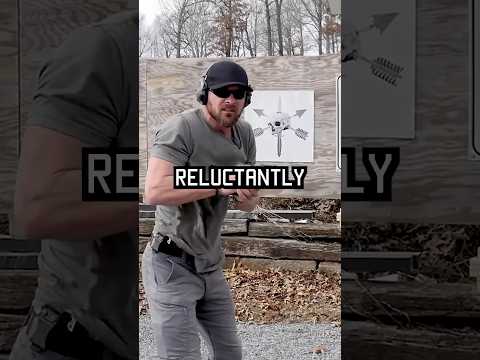
Commit To A Fast Draw Or Learn A Harsh Lesson

Published on December 11, 2024
Duration: 15:46

This guide, informed by Active Self Protection hosts John Correia and Neil Weidner, focuses on improving concealed carry draw speed. It emphasizes consistent practice with actual carry gear, understanding draw-to-first-shot time standards (expert: 1.0s, professional: 1.5s), and the importance of dry fire drills to maintain proficiency. The analysis highlights how slow draws, particularly from less accessible positions like small-of-back, can have fatal consequences.

Quick Summary

Improving concealed carry draw speed is vital for self-defense. Expert standards aim for a 1.0-second draw-to-first-shot time, with professional standards at 1.5 seconds. Consistent dry fire practice using actual carry gear and choosing an accessible carry position are key to achieving these critical times and enhancing survivability.

Chapters

  1. 00:00Introduction & Incident Overview
  2. 01:31VICI Tactical Belt Sponsorship
  3. 02:09Analysis of Tactical Errors
  4. 06:15Draw Speed Standards & Consequences
  5. 11:40Importance of Dry Fire Practice

Frequently Asked Questions

What are the expert and professional standards for draw-to-first-shot time?

An expert standard for drawing a firearm and achieving the first shot is 1.0 second. A professional standard is slightly slower at 1.5 seconds. Failing to meet these times can have severe consequences in a self-defense situation.

Why is small-of-back carry criticized for concealed carry?

Small-of-back carry is criticized because it is a difficult position to access quickly under stress. This slower draw time can be a critical disadvantage in a self-defense encounter, as highlighted by instructors from Active Self Protection.

How important is dry fire practice for concealed carriers?

Dry fire practice is crucial for concealed carriers to maintain skill recency and muscle memory. Training with your actual carry gear ensures that your practice translates effectively to real-world scenarios, preventing skill degradation over time.

What tactical errors were identified in the security guard's incident?

The primary tactical errors identified were the slow draw speed due to a less accessible carry position (small-of-back) and potentially not having supplementary non-lethal options. The incident underscores the need for commitment to a fast, efficient draw.

Related News

All News →

More Tactical & Gear Videos You Might Like

More from Active Self Protection

View all →