Comparing Modern Tactical Kit to World War II Loadouts

Published on October 4, 2025
Duration: 53:55

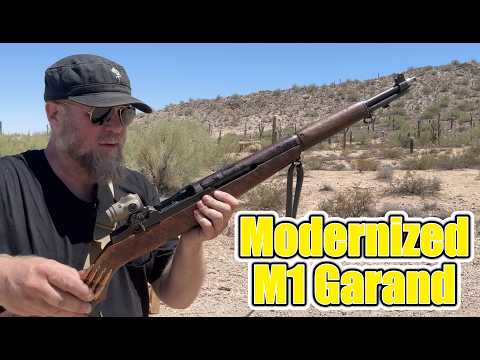
This video offers an expert comparison of World War II loadouts against modern tactical kits, drawing insights from a seasoned firearms instructor. It details the evolution of firearms like the M1 Garand, load-bearing equipment, helmet technology, and essential survival tools, highlighting key differences in ammunition, medical provisions, and modularity. The analysis emphasizes how historical gear principles can inform contemporary tactical choices.

Quick Summary

Expert analysis compares WWII loadouts (M1 Garand, M1 Steel Helmet) to modern tactical kits, highlighting advancements in firearms, ammunition capacity, and medical readiness (CAT Tourniquets). The comparison reveals that while modern gear offers technological advantages, accessories can significantly increase overall weight, mirroring historical challenges. Lessons on sustainment and immediate medical care remain critical.

Chapters

  1. 00:00Cinematic Introduction
  2. 05:27Philosophy of Gear Comparison
  3. 10:26The M1 Garand and Rifle Evolution
  4. 17:51Load Bearing Equipment (LBE) and Packs
  5. 25:05Helmet Technology
  6. 31:02Communication and ID Tools
  7. 35:04Entrenching Tools and CBRN
  8. 41:21Tactical Apparel

Frequently Asked Questions

How does the M1 Garand compare to modern rifles in terms of weight and capacity?

The M1 Garand, weighing around 10 lbs and chambered in .30-06 Springfield, held 8 rounds. While modern rifles are often lighter, accessories can bring their total weight up to similar levels. Modern cartridges like 5.56x45mm offer different ballistic properties and capacity options.

What are the key differences in medical gear between WWII loadouts and modern tactical kits?

WWII loadouts lacked standardized, readily accessible medical equipment like tourniquets. Modern kits prioritize immediate hemorrhage control, prominently featuring items such as the CAT Tourniquet for rapid application.

How has helmet technology evolved from WWII to the present day?

WWII M1 Steel Helmets weighed about 3 lbs. Modern helmets like the Ops-Core can have a lighter base weight (approx. 2 lbs), but the addition of night vision, communication systems, and other accessories often results in a comparable or even greater total weight.

What lessons from WWII loadouts are relevant for modern tactical gear choices?

The importance of 'sustainment' gear for prolonged operations and the need for robust medical readiness are key takeaways. Understanding historical gear limitations informs contemporary choices for effectiveness and survivability.

More Tactical & Gear Videos You Might Like

More from Dirty Civilian

View all →