Crimson Trace Shooting Tip - Using a Light on your Gun: Guns & Gear|S6 Pro Tip

Published on May 27, 2015
Duration: 2:08

This guide details the effective intermittent use of a weapon-mounted white light for tactical advantage. It emphasizes 'painting' areas with light, turning it off before moving, and activating it only when necessary, particularly when engaging targets from cover. The technique aims to maintain surprise and avoid revealing your position prematurely. The Crimson Trace Lightguard is highlighted for its passive activation feature.

Quick Summary

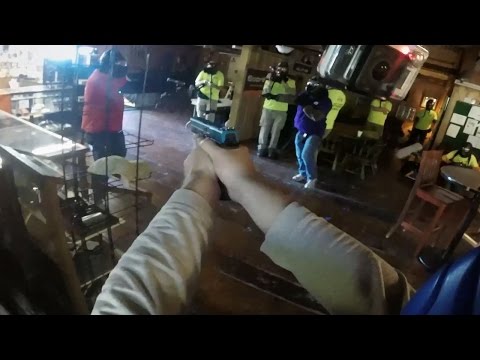
Effectively using a weapon-mounted light involves intermittent 'painting' of areas with light, followed by turning it off before moving. This technique, demonstrated with a Crimson Trace Lightguard on an M&P 9mm, prevents revealing your position prematurely. Activate the light only when necessary, especially when engaging targets from cover.

Chapters

  1. 00:00Importance of Weapon Lights
  2. 00:10Crimson Trace Lightguard Demo
  3. 00:29Intermittent Light Usage Strategy
  4. 01:01Three Functions of Flashlights
  5. 01:14Technique: Cover and Light Activation
  6. 01:43Demonstration: Cover and Engage
  7. 02:00Summary of Tips

Frequently Asked Questions

What is the primary benefit of using a weapon-mounted light intermittently?

Intermittent use of a weapon-mounted light provides a tactical advantage by allowing you to observe your surroundings without revealing your exact position to potential threats. This 'paint and move' technique helps maintain surprise and control over when your location is known.

How should a weapon-mounted light be used when approaching cover?

When approaching cover, it's recommended to keep your weapon-mounted light off. Activate the light only after you have positioned yourself behind cover and are ready to lean out and engage a target. This prevents your position from being compromised.

What is 'passive light activation' on a weapon light?

Passive light activation means the light turns on automatically when you grip the firearm and turns off when you release your grip. This allows for immediate, hands-free illumination without needing to manipulate a separate switch, as seen with the Crimson Trace Lightguard.

What are the three main functions of a flashlight in tactical situations?

Flashlights in tactical situations serve three primary functions: navigation through an area, locating what you are looking for, and identification. Identification is crucial for seeing what individuals might be holding.

More Tactical & Gear Videos You Might Like

More from Gun Talk Media

View all →