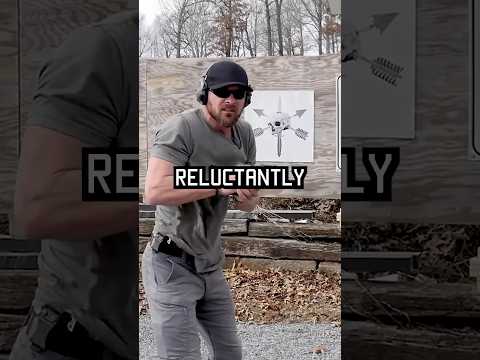
Daily Defense Season 2 EP 7: Will Ankle Carry Give You a Leg Up?

Published on April 5, 2021
Duration: 7:06

Jeff Gonzalez of Trident Concepts discusses ankle carry for concealed firearms. Key considerations include firearm size (light and small-framed are recommended), holster type (scabbard vs. sock-style, retention strap vs. open top based on activity level), and the critical importance of flexibility for drawing. He details multiple draw stroke techniques from a standing or kneeling position, emphasizing consistency. The video also covers common mistakes like choosing the wrong firearm size or incorrect placement on the inboard side of the weak leg to reduce profile and prevent banging.

Quick Summary

Ankle carry requires careful consideration of firearm size, holster type, and flexibility. Prioritize light, small-framed guns and choose holsters with retention straps for high activity. Recommended draw strokes involve bending over or taking a knee, with placement on the inboard side of the weak leg to reduce profile.

Chapters

  1. 00:09Introduction to Ankle Carry
  2. 00:16What is Ankle Carry?
  3. 00:27Who is Ankle Carry For?
  4. 00:47Handgun Size Considerations
  5. 01:07Ankle Holster Types
  6. 01:27Retention Strap vs. Open Top
  7. 02:00Flexibility Requirements
  8. 02:24Draw Stroke Position
  9. 02:44Ankle Carry Location
  10. 03:45Draw Stroke Techniques Explained
  11. 04:00Option 1: Full Bend Over Draw
  12. 04:14Option 2: Kneeling Draw (Stay Low)
  13. 04:34Option 3: Kneeling Draw (Stand Up)
  14. 04:46Option 4: Standing Leg Lift Draw (Not Recommended)
  15. 05:12Ankle Carry in Seated Positions
  16. 05:46Common Mistakes in Ankle Carry
  17. 06:36Conclusion and Practice

Frequently Asked Questions

What are the key considerations for choosing a firearm for ankle carry?

For ankle carry, prioritize light, small-framed firearms. The cumulative weight of a heavier gun can become uncomfortable over time, leading to fidgeting and compromising concealment. 'Ounces make pounds' is a critical principle here.

What types of ankle holsters are available and how do I choose?

Ankle holsters are typically scabbard-style attached to a strap or sock-style with a pouch. Choose a retention strap for high-activity situations like running, and an open-top holster may suffice for light activity, provided it fits the firearm well.

What is the recommended placement for an ankle holster?

For a right-handed shooter, the firearm should be carried on the weak side leg (left leg). It should be positioned on the inboard side of the leg, not the outboard, to reduce the firearm's profile and prevent it from hitting objects.

What are the main draw stroke techniques for ankle carry?

Primary techniques involve bending over to lift pant legs, or taking a knee. The kneeling draw, either staying low or standing back up, is generally recommended over a standing leg-lift draw due to balance and flexibility requirements.

Related News

All News →

More Tactical & Gear Videos You Might Like

More from Brownells, Inc.

View all →