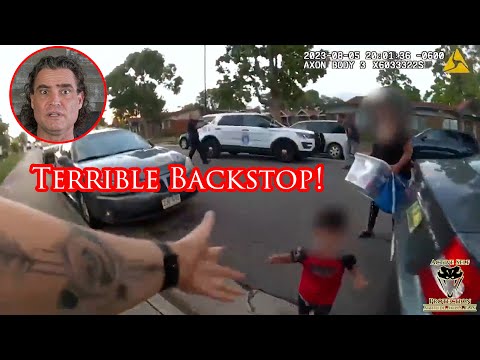
Denver Officers Forced to Stop Aggressive Burglary Suspect!

Published on January 8, 2026
Duration: 14:40

This video from Active Self Protection, featuring John Correia and Mike Willever, analyzes a critical incident in Denver, Colorado, where officers were forced to engage an aggressive burglary suspect. The analysis covers the incident's progression, from initial commands to the shooting, and delves into tactical considerations like weapon-mounted lights, the reactionary gap, and human performance factors under stress. The expert assessment highlights the instructors' high authority level, stemming from their law enforcement background and use-of-force expertise.

Quick Summary

Expert analysis from Active Self Protection covers a Denver police shooting incident, detailing the response to an aggressive burglary suspect. Key tactical points include maintaining the reactionary gap, effective use of weapon-mounted lights (WMLs) and understanding 'light spill', and the critical importance of handcuffing downed suspects for officer safety.

Chapters

  1. 00:00Introduction and Incident Overview
  2. 00:30POM Pepper Spray Product Review
  3. 00:59Incident Background: Burglary Report
  4. 01:32Officer Commands and Suspect Compliance/Escalation
  5. 01:54Shooting Incident Analysis
  6. 02:15Post-Engagement Procedures: Securing and Aid
  7. 03:39Tactical Analysis: Weapon-Mounted Lights
  8. 05:08Technical Concept: Light Spill
  9. 06:41Reactionary Gap Explained
  10. 09:17Human Performance Factors in Shooting
  11. 11:24Handcuffing Rationale

Frequently Asked Questions

What tactical considerations are important when responding to an aggressive suspect armed with a knife?

Officers must issue clear verbal commands, maintain a reactionary gap, and be prepared to neutralize the threat if the suspect charges. Understanding human performance factors like physiological lag is also crucial for effective response under stress.

How do weapon-mounted lights (WMLs) impact tactical situations?

WMLs provide immediate illumination for target identification and searching in low-light conditions. Understanding the 'spill' effect is key, as it illuminates the surrounding area without directly pointing the firearm, aiding situational awareness.

Why is handcuffing a downed suspect critical after an engagement?

Handcuffing a downed suspect is a vital safety procedure to prevent them from re-arming or continuing resistance. It ensures officer safety and control in case of sudden re-animation or unexpected movements.

What are the key takeaways regarding human performance factors in high-stress encounters?

High-stress situations can cause physiological lag between the brain's decision to stop shooting and the finger actually releasing the trigger. Training and understanding these factors can help mitigate their impact on performance.

Related News

All News →

More Tactical & Gear Videos You Might Like

More from Active Self Protection

View all →