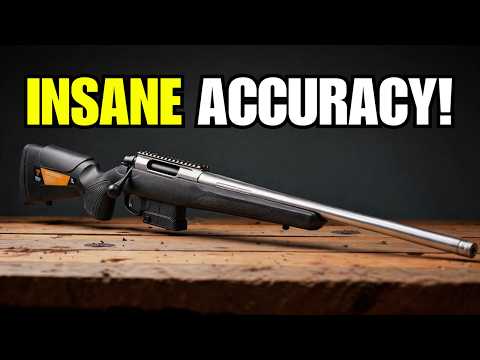
Don't Let The Flat Range Ruin Your Rifle Setup

Published on May 30, 2024
Duration: 9:35

The video emphasizes that flat range proficiency can create a false sense of security, particularly in environments like the North Dakota prairie. While compact rifles like the Sig MCX are excellent for home defense and close-quarters, they may be insufficient for identifying and engaging targets at longer distances (1.5 miles observed). The presenter advocates for self-evaluation based on one's specific area of operation and suggests that SPR (Special Purpose Rifle) builds or rifles with enhanced magnification are necessary for extended range engagements, contrasting this with the limitations of red dot sights alone.

Quick Summary

Flat range training can be misleading because it doesn't replicate the extended sight lines and engagement distances found in many real-world environments. Compact rifles with red dots are great for home defense but may be insufficient for identifying and engaging targets at long ranges (e.g., over 300 yards) in open terrain. Self-evaluation based on your specific area of operation and using tools like rangefinders is crucial for selecting the appropriate rifle setup.

Chapters

  1. 00:00The Flat Range Mistake
  2. 00:13Sig MCX 300 Blackout Setup
  3. 01:09BCM RECCE 16 Introduction
  4. 01:18Flat Range Limitations
  5. 01:53Area of Operation Matters
  6. 02:11Field Trip: North Dakota Prairie
  7. 03:04MCX Limitations at Range
  8. 03:36SPR Project Necessity
  9. 04:06Don't Get Comfortable on the Range
  10. 04:36Does Flat Range Translate?
  11. 05:03The Wrong Move for Me
  12. 05:42Scouting with Binoculars/Rangefinder
  13. 06:30Niche of Red Dot Setups
  14. 06:54Seeing vs. Being Seen
  15. 07:36General Purpose Rifle vs. SPR
  16. 07:51SPR Build Challenges
  17. 08:22PSA Saber Consideration
  18. 08:48BCM Transitioning to Go-To
  19. 09:03Saber Barrel Configuration Choice

Frequently Asked Questions

Why is flat range training potentially misleading for rifle setups?

Flat range training often occurs at short distances (e.g., 25 yards) and doesn't simulate the extended sight lines and engagement distances found in environments like open prairies. This can lead to a false sense of security with compact firearms and red dot sights, which may be inadequate for positive identification and precise hits at longer ranges.

What type of rifle setup is recommended for open environments with long sight lines?

For environments like the North Dakota prairie, where sight lines can extend for miles, an SPR (Special Purpose Rifle) build or a rifle equipped with significant magnification is recommended. These setups are better suited for identifying and engaging targets at extended distances compared to compact rifles with only red dot sights.

How can shooters evaluate their rifle setup needs for their specific environment?

Shooters should conduct self-evaluation based on their actual area of operation. This involves scouting with tools like binoculars or rangefinders to understand potential engagement distances and terrain features. This assessment helps determine if a compact setup is sufficient or if a rifle with greater magnification is necessary.

What are the limitations of compact rifles like the Sig MCX in 300 Blackout for long-range use?

While excellent for home defense and maneuverability, compact rifles like the Sig MCX in 300 Blackout are generally limited in their ability to positively identify and accurately engage targets beyond 300 yards. In open terrain, this can be a significant disadvantage against adversaries with magnified optics.

Related News

All News →

More Tactical & Gear Videos You Might Like

More from Magic Prepper

View all →