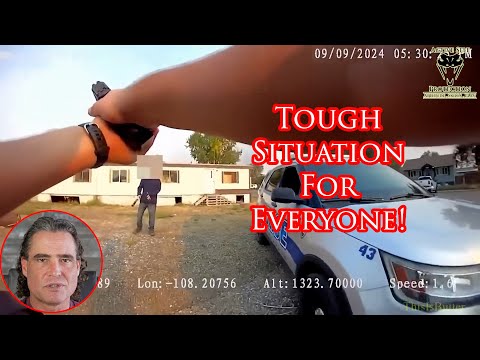
Dubious Deeds In Dayton Take A Dangerous Turn

Published on October 17, 2024
Duration: 15:24

This video analyzes a critical incident where an officer in Dayton, Ohio, was shot by a suspect but survived due to exceptional composure and tactical response. Experts John Correia and Mike Willever break down the officer's actions, including returning fire, calling for backup, and maintaining scene control while severely wounded. The analysis highlights the importance of emotional fitness and tactical decision-making under extreme duress.

Quick Summary

In a critical incident analysis from Dayton, Ohio, experts discuss an officer's survival after being shot. Key takeaways include the danger of closing the reactionary gap, the potential limitations of Taser effectiveness at close range, and the officer's remarkable composure and tactical response, including returning fire and calling for aid while severely wounded.

Chapters

  1. 00:00Introduction & Incident Overview
  2. 01:54Incident Context: Counterfeit Bill Call
  3. 02:15The Confrontation: Officer Shot
  4. 03:00Immediate Aftermath: Officer's Response
  5. 06:04Outcome: Survival and Sentencing
  6. 08:10Tactical Analysis: Reactionary Gap
  7. 11:15Tactical Analysis: Taser vs. OC Spray
  8. 13:58Emotional Fitness and Composure

Frequently Asked Questions

What tactical factors contributed to the officer's survival in the Dayton shooting incident?

The officer's survival was attributed to his immediate return fire, effective communication for backup and medical aid, and maintaining a gunpoint on the suspect despite severe injuries, demonstrating exceptional emotional fitness and tactical composure under extreme duress.

Why might a Taser be less effective than OC spray in very close-quarters encounters?

At extremely close ranges, a Taser's probes may not achieve the necessary spread for neuromuscular incapacitation (NMI). OC spray, however, can provide immediate incapacitation through pain and inflammation, making it potentially more reliable in such confined scenarios.

What is the 'reactionary gap' and how did it play a role in the Dayton incident?

The reactionary gap is the distance needed for a person to perceive a threat, process it, and react. The officer closing distance too quickly reduced this gap, allowing the suspect to physically assault him and then draw a firearm before the officer could effectively react.

What lessons can be learned from the officer's response after being shot?

The officer's actions highlight the critical importance of emotional fitness, maintaining situational awareness, and clear communication even when severely injured. His ability to continue tactical operations under such duress is a testament to advanced training and mental resilience.

Related News

All News →

More Tactical & Gear Videos You Might Like

More from Active Self Protection

View all →