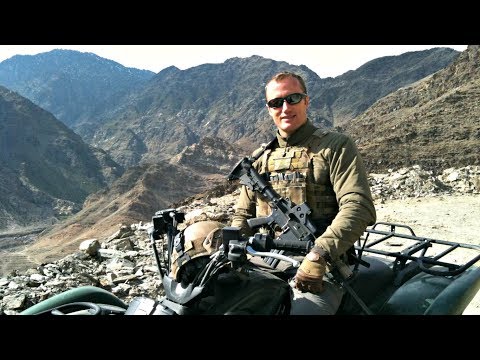
Flash Mitigation : Part - 9 Surefire SOCOM556 RC3

Published on October 1, 2025
Duration: 7:32

This video examines the Surefire SOCOM556 RC3 suppressor's flash mitigation capabilities. The presenter emphasizes that flash signature is often not critical for most shooters but can be vital in specific tactical scenarios. The RC3 is designed around a three-prong flash hider for optimal performance, and testing was conducted on both 16-inch and 10.5-inch barreled AR-15 platforms.

Quick Summary

The Surefire SOCOM556 RC3 suppressor is designed for optimal flash mitigation when paired with a three-prong flash hider. While flash signature is often not critical for casual shooters, it becomes vital in tactical situations. Ammunition choice significantly impacts flash, so testing with your intended loads is recommended.

Chapters

  1. 00:06Introduction to Flash Mitigation Series
  2. 00:11Surefire SOCOM556 RC3 Overview
  3. 00:30Does Flash Matter?
  4. 01:21Suppressor Design Principles
  5. 02:03Muzzle Device Integration
  6. 02:26RC3 Design Philosophy
  7. 03:02Testing Setup and Methodology
  8. 03:42Filming Considerations
  9. 05:00Filming Challenges and Results
  10. 06:08Real-World Experience
  11. 06:42Use Case Dependency
  12. 07:03Recommendation for Testing

Frequently Asked Questions

When is flash mitigation important for firearm users?

Flash mitigation is crucial in tactical scenarios where visual concealment is paramount, such as during night operations or when trying to avoid giving away your position. For most recreational shooting or close-range drills, it is often not a significant factor.

What is the Surefire SOCOM556 RC3 designed around for optimal performance?

The Surefire SOCOM556 RC3 suppressor is specifically designed to be used in conjunction with a three-prong flash hider. This design choice is intended to maximize its performance, particularly in reducing visible flash signature.

How does ammunition choice affect suppressor flash?

Ammunition plays a significant role in the amount of flash produced by a firearm, even when suppressed. Different powder types and burn rates can lead to varying levels of unburnt powder exiting the muzzle, thus affecting the visible flash.

What are the key considerations when testing suppressor flash?

When testing suppressor flash, it's vital to control lighting conditions, use appropriate camera settings (like high frame rates for slow-motion analysis), and avoid filming from angles that look directly down the muzzle, as this will always show a flash.

Related News

All News →

More Tactical & Gear Videos You Might Like

More from Kit Badger

View all →