Go Bag Seminar Part 2

Published on March 8, 2014
Duration: 21:35

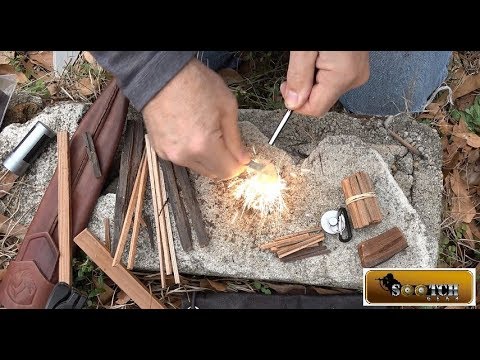
This video emphasizes the critical importance of fire-starting redundancy in emergency preparedness. It details how to assemble a comprehensive fire kit, recommending a fixed-blade knife with an integrated fire steel as a durable, long-lasting option. The presenter stresses testing all gear in calm conditions and organizing components in a dedicated bag for quick access during emergencies. The content is presented by an individual with practical experience in survival and preparedness, offering actionable advice for building a reliable fire-starting capability.


Quick Summary

For fire starting in emergency kits, redundancy is crucial. Have multiple methods like matches, lighters, and a durable fire steel, ideally integrated into a fixed-blade knife. Always test your gear in calm conditions to ensure reliability when you need it most.

Chapters

  1. 00:00Fire Starting Redundancy
  2. 00:16Fire Kit Essentials
  3. 00:26Knife and Fire Steel Combo
  4. 00:42Longevity of Fire Steels
  5. 00:56Testing Your Gear
  6. 01:15Importance of Calm Practice
  7. 01:34Organizing Your Kit
  8. 01:41Maxpedition Bags
  9. 01:56Water Storage Solutions
  10. 02:08Basic Water Bottles
  11. 02:18Nalgene Water Carriers
  12. 02:27Stainless Steel Canteens
  13. 02:35Backpacking Water Strategy
  14. 03:14Sleeping Bags Explained
  15. 03:38Sleeping Bag Comfort
  16. 03:51Down vs. Synthetic
  17. 04:06Keeping Down Dry
  18. 04:30Synthetic Bag Lifespan
  19. 04:58Importance of Writing Materials
  20. 05:18Right in the Rain Notebooks
  21. 05:33Specialized Pens
  22. 05:53Food Preparation
  23. 06:46Warming Meals
  24. 06:54Esbit Stove
  25. 07:16Jetboil System
  26. 07:43Future Classes
  27. 08:05Backpacking Kit
  28. 08:39Clothing Considerations
  29. 08:48Clothing in Your Car
  30. 09:11Climate Appropriate Clothing
  31. 09:22Appropriate Footwear
  32. 09:39Tornado Survival Story
  33. 10:59Other Suggested Items
  34. 11:05Weather Radio
  35. 11:24Phone Charging
  36. 11:35Cash in Your Go Bag
  37. 12:01Fixed Blade vs. Multi-tool
  38. 12:36Paracord Uses
  39. 12:51Gloves for Protection
  40. 13:17Local Maps and Compass
  41. 13:38Hat and Sunglasses
  42. 13:52Sunscreen and Bug Spray
  43. 13:56Sleeping Pad Importance
  44. 14:08Ground Insulation
  45. 14:39Comfort and Rest
  46. 15:18Pack Weight Considerations
  47. 15:51Trauma Kit Discussion
  48. 16:05QuickClot Explained
  49. 16:32Trauma Pack Contents
  50. 16:51Extremity Use Only
  51. 17:16QuickClot Reformulation
  52. 17:29QuickClot Testing
  53. 18:02Trauma Kit for Others
  54. 18:31Survival Medic Kit
  55. 18:52Marking Trauma Kits
  56. 19:11Pack Accessibility
  57. 19:30Q&A and Closing

Frequently Asked Questions

What are the most important considerations for a fire-starting kit?

Redundancy is key for fire starting. Always have multiple ways to make fire, as matches can fail in wet conditions and lighters can run out of fuel or break. A durable fire steel, often integrated into a knife, is a reliable long-term option.

Why is it important to test survival gear before an emergency?

Testing your gear, including fire starters and water filters, in a calm environment allows you to learn how they work and identify any potential issues. This practice prevents frustration and potential failure when you are stressed and in urgent need of the equipment.

What are the differences between down and synthetic sleeping bags for emergency kits?

Down sleeping bags are lightweight and have a long lifespan (around 10 years) but lose insulation when wet. Synthetic bags insulate even when wet but are bulkier, less durable (2-3 years), and take up more space.

What is QuickClot and how is it used in a trauma kit?

QuickClot is a hemostatic agent used in trauma kits to rapidly stop severe bleeding from extremity wounds. It's a sponge with powder that is inserted into the wound to create a clot, significantly reducing blood loss.

More Tactical & Gear Videos You Might Like

More from SensiblePrepper

View all →