Handheld Light vs Weapon Mounted Light (WML)

Published on July 4, 2023
Duration: 14:01

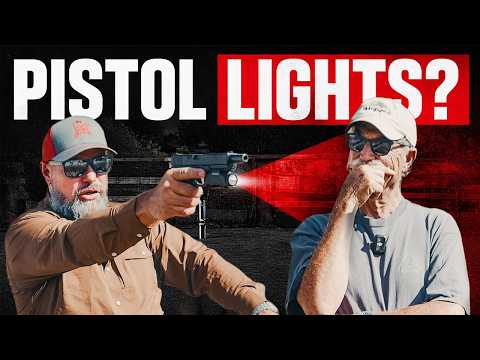
This guide explores the use of handheld tactical flashlights for defensive purposes, contrasting them with weapon-mounted lights (WMLs). It details three primary techniques for using handheld lights: the Harries, Rogers, and FBI techniques, emphasizing target identification in low-light scenarios. While acknowledging these as viable options, the content strongly advocates for WMLs as the optimal solution for defensive firearm use due to superior ergonomics and weapon control.

Quick Summary

Weapon-mounted lights (WMLs) are generally considered the optimal solution for defensive firearm use due to their ergonomic integration, allowing for a proper two-handed grip and consistent light manipulation without compromising weapon control. This leads to better recoil management, follow-through, and accuracy during defensive engagements in low-light conditions.

Chapters

  1. 00:00Intro: Handheld vs WML
  2. 00:30Importance of Lights for Target ID
  3. 01:06Why Weapon Mounted Lights are Optimal
  4. 02:45Addressing WML Concerns (Weight, Size, Holster)
  5. 04:35WML Options: TLR-7 Sub, TLR-6, X300, Turbo
  6. 06:00Beam Patterns: Flood vs. Spot
  7. 07:00Handheld Light Techniques: Harries
  8. 09:40Handheld Light Techniques: Rogers
  9. 10:50Handheld Light Techniques: FBI
  10. 12:00Conclusion: WMLs are Preferred

Frequently Asked Questions

What is the primary advantage of a weapon-mounted light (WML) for self-defense?

The primary advantage of a WML is its integration with the firearm, allowing for a proper two-handed grip and consistent light manipulation without compromising weapon control. This leads to better recoil management, follow-through, and accuracy during defensive engagements in low-light conditions.

What are the main handheld flashlight techniques for defensive use?

The main techniques are the Harries Technique (support wrist over strong wrist), the Rogers Technique (palm activation of pressure pad), and the FBI Technique (lifting light to avoid self-illumination). These methods aim to provide illumination for target identification in low-light scenarios.

Why is target identification crucial in low-light defensive situations?

Positive target identification is critical to avoid accidentally engaging non-threats, which can have devastating legal and ethical consequences. It also helps maintain situational awareness and prevent being flanked by an actual threat.

Are there downsides to using a weapon-mounted light?

Yes, WMLs can add weight and bulk to the firearm, potentially requiring a new holster. However, the video argues that these minor inconveniences are significantly outweighed by the tactical advantages they provide for defensive use.

More Tactical & Gear Videos You Might Like

More from ClassicFirearms

View all →