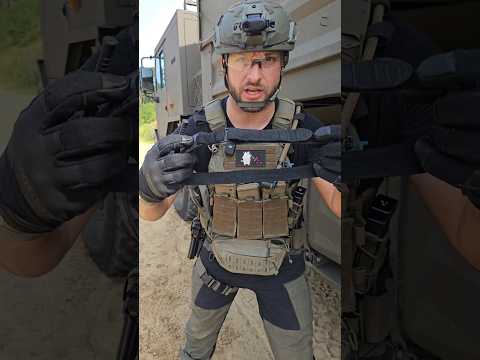
Hexagonal ceramic strikeface of Ballistic plate

Published on April 16, 2023
Duration: 0:12

This video showcases the hexagonal ceramic strike face of a ballistic plate, highlighting its damage localization properties. The hexagonal alumina tiles shatter only at the point of impact, preserving the plate's integrity for potential multi-hit scenarios. The construction involves a yellow aramid/Kevlar backing layer behind the ceramic.

Quick Summary

Hexagonal ceramic tiles on a ballistic plate's strike face localize damage, meaning only the impacted tile shatters. This design, using alumina, enhances multi-hit capability by preventing the entire plate from failing after a single impact. Aramid or Kevlar backing is typically found behind the ceramic.

Chapters

  1. 00:00Damage Localization Explained
  2. 00:05Hexagonal Ceramic Material

Frequently Asked Questions

What is the purpose of the hexagonal ceramic pieces on a ballistic plate's strike face?

The hexagonal ceramic tiles, typically made of alumina, are designed for damage localization. This means only the specific tile that is hit will shatter, preventing the entire plate from failing and potentially allowing for multiple impacts.

What material is the strike face of the ballistic plate made from?

The strike face of the ballistic plate shown is made from small, hexagonal pieces of aluminum ceramic, commonly referred to as alumina. This material is chosen for its hardness and ability to fracture upon impact.

What is behind the ceramic strike face on this type of ballistic plate?

Behind the hexagonal ceramic strike face, there is a backing layer typically made of materials like aramid or Kevlar. This layer helps to catch and contain the fragments from the shattered ceramic and absorb residual energy.

Related News

All News →

More Tactical & Gear Videos You Might Like

More from Polenar Tactical

View all →