Using oil to defeat body armor

Published on March 10, 2024
Duration: 6:29

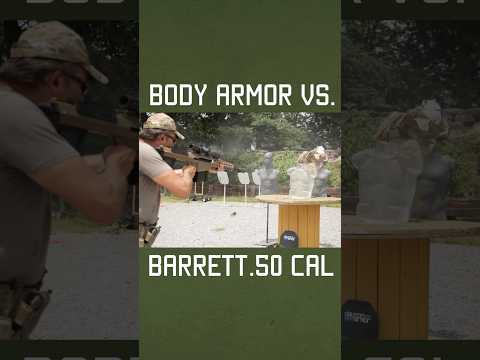
This video from Polenar Tactical investigates the effect of applying oil to an NIJ Level 3A ballistic vest. Testing with various 9mm rounds reveals that oil significantly reduces the vest's ability to stop projectiles, allowing for deeper penetration. The experiment demonstrates that lubricating the vest's fibers diminishes friction, making them more susceptible to being pushed apart by incoming rounds.

Quick Summary

Oil can significantly compromise the effectiveness of ballistic vests by acting as a lubricant for the protective fibers. This reduction in friction allows projectiles to penetrate deeper into the vest material, diminishing its ability to stop rounds. Testing with various 9mm ammunition types demonstrated this effect on an NIJ Level 3A vest.

Chapters

  1. 00:00Introduction: Testing Oil on Ballistic Vests
  2. 00:07Vest and Ammunition Setup
  3. 00:249mm Ammunition Types Used
  4. 00:48Firearm Used for Testing
  5. 01:04Test Results: Subsonic Round (Unoiled)
  6. 01:42Analysis of Fiber Deformation
  7. 02:03Test Results: Full Metal Jacket (Oiled)
  8. 02:40Understanding the Difference: Screw vs. Oil
  9. 03:07Test Results: Subsonic Round (Oiled)
  10. 03:40Penetration Depth Analysis
  11. 04:16Test Results: XRG Defense Rounds (Oiled)
  12. 04:47Hollow Point Bullet with Oil
  13. 05:25Testing Oil on Bullet Only
  14. 06:02Conclusion: Oil's Impact on Armor

Frequently Asked Questions

Does oil weaken body armor?

Yes, testing indicates that oil can significantly weaken ballistic vests. When applied to the vest's fibers, oil reduces friction, allowing projectiles to penetrate deeper than they would on an unoiled vest. This effect was demonstrated with various 9mm rounds, showing increased penetration on oiled sections.

How does oil affect ballistic vest fibers?

Oil acts as a lubricant for the ballistic vest's fibers, primarily aramid and high-density polyethylene. This lubrication reduces the friction between the fibers, making it easier for them to separate and be pushed aside by an incoming projectile, thus compromising the vest's ability to stop the round.

What types of ammunition were used to test body armor against oil?

The test utilized several types of 9mm ammunition, including 140-grain subsonic flat nose rounds, 124-grain full metal jacket rounds, and XRG defense rounds with a 100-grain solid core. These were fired at both oiled and unoiled sections of an NIJ Level 3A vest.

Can oil on a bullet itself affect body armor penetration?

Even when applied only to the bullet and not the vest, oil showed a marginal increase in penetration. This suggests that the lubricating properties of oil can assist projectiles in overcoming the resistance of ballistic materials, though the effect is more pronounced when the vest itself is oiled.

Related News

All News →

More Tactical & Gear Videos You Might Like

More from Polenar Tactical

View all →