How to apply a tourniquet

Published on January 16, 2025
Duration: 1:04

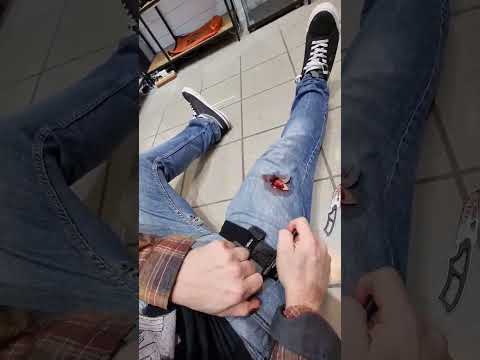
This video demonstrates the proper technique for applying a tourniquet to control massive bleeding, emphasizing speed and effectiveness. It highlights that severe bleeding can be fatal within two minutes and provides a step-by-step guide for application, including an alternative method for leg wounds where direct placement above the wound is difficult. The instruction stresses the importance of applying significant pressure and continuing to tighten the windlass until bleeding ceases.


Quick Summary

Massive bleeding can be fatal in less than 2 minutes. To apply a tourniquet, place it at least a couple of inches above the wound, apply significant pressure while tightening the strap, and turn the windlass until bleeding stops. Secure the windlass and strap to maintain pressure. Pain during application is normal and indicates effectiveness.

Chapters

  1. 00:01Urgency of Massive Bleeding
  2. 00:12Using a Tourniquet
  3. 00:16Tourniquet Placement Technique
  4. 00:21Alternative Leg Wound Application
  5. 00:30Positioning Above Wound
  6. 00:36Tightening and Pressure
  7. 00:40Using the Windlass
  8. 00:46Pain is Normal
  9. 00:50Stopping Bleeding Completely
  10. 00:57Securing the Tourniquet
  11. 01:00Life-Saving Application

Frequently Asked Questions

How quickly can massive bleeding be fatal?

Massive bleeding can be fatal in less than 2 minutes. This highlights the critical importance of immediate and effective intervention, such as applying a tourniquet, to control hemorrhage and save a life.

What is the correct placement for a tourniquet?

Ideally, a tourniquet should be placed at least a couple of inches above the wound. In cases of severe leg bleeding where direct placement is difficult, an alternative method involves unhooking and placing it under the leg.

How tight should a tourniquet be applied?

You must apply a lot of pressure when tightening the tourniquet strap. The windlass should be turned until the bleeding completely stops. It is normal for this process to cause pain.

What is the purpose of the windlass on a tourniquet?

The windlass is a crucial component of a tourniquet used to tighten the strap and apply significant pressure. It is turned repeatedly until the bleeding is completely stopped, and then secured to maintain effectiveness.

More Tactical & Gear Videos You Might Like

More from Polenar Tactical

View all →