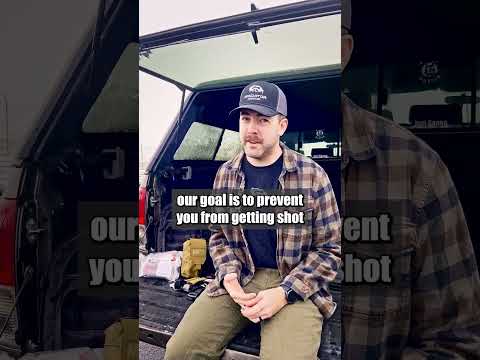
How to build a BATTLE BELT Med Kit

Published on October 31, 2023
Duration: 27:05

This guide details building a minimalist Individual First Aid Kit (IFAK) for a battle belt, focusing on essential life-saving components. Key items include trauma dressings, chest seals, compressed gauze, gloves, and a reliable tourniquet. The emphasis is on immediate response to severe bleeding and chest trauma, with considerations for hypothermia and minor injuries. The content highlights the importance of practical, compact medical solutions for tactical or preparedness scenarios.


Quick Summary

A minimalist IFAK for a battle belt should include an emergency trauma dressing for bleeding control, a survival blanket for hypothermia, a chest seal for chest injuries, compressed gauze for wound packing, gloves for PPE, and a reliable tourniquet for extremity bleeds. Trauma shears are also highly recommended for cutting gear and clothing.

Chapters

  1. 00:00Introduction to Battle Belt Med Kits
  2. 01:50Minimalist IFAK Contents
  3. 02:03Emergency Trauma Dressing
  4. 02:17Chest Seal Application
  5. 02:23Compressed Gauze Usage
  6. 02:34Tourniquet Selection and Use
  7. 04:17Gauze for Junctional Wounds
  8. 04:38Making Pressure Dressings
  9. 07:20Afghanistan-Era IFAK Loadout
  10. 07:47Trauma Shears: Leatherman Raptors
  11. 08:34Penetrating Chest Trauma Kit
  12. 09:41Minimum Essential IFAK Items
  13. 10:11IFAK in Vehicle: Heat Considerations
  14. 11:05Restock and Advanced Medical Bag
  15. 11:21Needle Decompression Debate
  16. 11:46Extra Thermal Protection
  17. 11:59Over-the-Counter Medications
  18. 12:36Tampons in Med Kits: Myth vs. Reality
  19. 13:30Authentic CAT Tourniquets
  20. 14:02Identifying Counterfeit Tourniquets
  21. 15:10Where to Buy Authentic Tourniquets
  22. 16:17Redundancy in Medical Gear
  23. 16:52Importance of Knowing Blood Type
  24. 18:03Walking Blood Banks Research
  25. 19:06Rifle vs. Pistol Round Damage
  26. 19:42Final Notes for the Community
  27. 19:52Integrating Tourniquet Drills
  28. 20:02Training Tourniquets
  29. 20:21Staying Up-to-Date in Medicine
  30. 21:08Evolution of Medical Training
  31. 21:31Medical Advancements from Conflicts
  32. 22:14Training IFAK Supplies
  33. 23:15Allergy Medication in IFAK
  34. 24:02Boo Boo Bag Essentials
  35. 24:34Conclusion and Training Invitation

Frequently Asked Questions

What are the essential components of a minimalist IFAK for a battle belt?

A minimalist IFAK for a battle belt should include an emergency trauma dressing for bleeding control, a survival blanket for hypothermia, a chest seal for chest injuries, compressed gauze for wound packing, gloves for PPE, and a reliable tourniquet for extremity bleeds. Trauma shears are also highly recommended.

How can one identify a counterfeit tourniquet?

Counterfeit tourniquets often lack the specific markings and quality of genuine products like North American Rescue CATs. Look for differences in the windlass size and material, the absence of a time-writing strip, and incorrect or unreadable stamps. Always purchase from authorized dealers to avoid fakes.

What is the purpose of a chest seal in a tactical med kit?

A chest seal is designed to treat penetrating chest trauma, such as gunshot or stab wounds. It creates an occlusive barrier over the wound, preventing air from entering the chest cavity, which helps to mitigate the risk of a tension pneumothorax and aids in maintaining lung function.

Are tampons clinically useful in trauma care for gunshot or blast injuries?

No, tampons are not clinically useful for treating gunshot or blast injuries. Their absorbent material acts like a sponge but does not provide the necessary hemostatic properties or pressure required for severe trauma. They are designed for menstrual flow and are not a substitute for proper wound packing materials.

Related News

All News โ†’

More Tactical & Gear Videos You Might Like

More from Barrel & Hatchet

View all โ†’