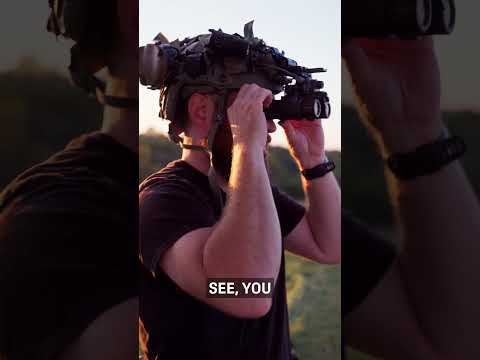
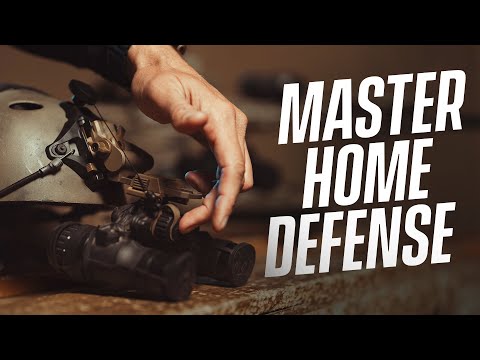
How to Setup your Helmet for Night Vision

Published on November 24, 2022
Duration: 11:16

This guide details how to set up a helmet for night vision, covering essential components like shrouds, NVG mounts, hearing protection, and illumination tools. It emphasizes the importance of compatible accessories and protective measures for night vision devices. The setup process involves mounting a shroud, attaching the NVG, and integrating lights and communication systems, with considerations for battery packs and lens protection to enhance functionality and longevity.


Quick Summary

Setting up a night vision helmet involves mounting a shroud (e.g., Wilcox G24) to a compatible helmet, attaching the NVG device, and integrating accessories like hearing protection, comms, helmet lights, and IR strobes. Battery packs can extend runtime and provide counterweight, while lens protection caps are vital for safeguarding NVG tubes from light damage and impacts.

Chapters

  1. 00:00Introduction to Night Vision Helmet Setups
  2. 00:55Juan's Opscore Helmet Setup: Comms & Mounts
  3. 02:06Helmet-Mounted Lights & IR Strobes Explained
  4. 04:31Battery Packs for NVGs: Counterbalance & Runtime
  5. 06:25Protecting NVG Tubes: Lens Caps & Simunition Training
  6. 09:37Conclusion & Next Steps

Frequently Asked Questions

What are the key components for a night vision helmet setup?

A night vision helmet setup typically includes a compatible helmet (ballistic or bump), a night vision shroud (like the Wilcox G24), the night vision device itself, hearing protection/comms, a helmet-mounted light, and an IR strobe for signaling. Optional additions include battery packs for extended use and lens protection caps.

Why is a Wilcox G24 mount recommended for night vision?

The Wilcox G24 is widely considered an industry standard for night vision mounts. It's a dovetail mount designed for secure attachment of both binocular and monocular night vision devices to tactical helmets, ensuring stability and proper positioning.

What is the purpose of an IR strobe on a night vision helmet?

An IR strobe light on a night vision helmet serves as a signaling device, allowing users to be located by others using night vision equipment. It can also have a visible light mode and is crucial for maintaining safety and situational awareness during night operations or training exercises.

Should I use a battery pack with my night vision device?

Using a battery pack with your night vision device offers several advantages. It extends operational runtime, can act as a counterweight to improve balance and reduce neck strain, and allows you to power the device externally, preventing potential damage from batteries left inside the unit.

Related News

All News →

More Tactical & Gear Videos You Might Like

More from Big Daddy Unlimited

View all →