How To Shoot In Cold Weather For Dummies | Tactical Rifleman

Published on February 27, 2026
Duration: 4:40

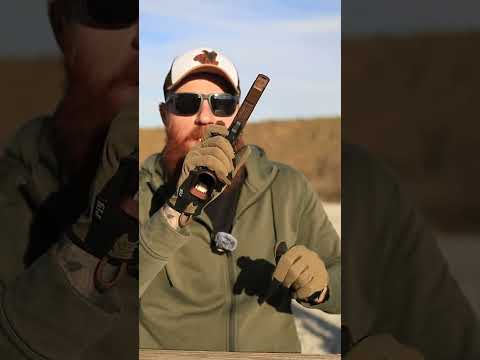
This guide, presented by retired SGM Karl Erickson of Tactical Rifleman, details essential techniques for shooting effectively in cold weather. It emphasizes proper gear selection, including belt systems and glove layering, to maintain dexterity and weapon control. The importance of consistent training in adverse conditions is also highlighted.

Quick Summary

For effective cold weather shooting, layer thin gloves under heavier insulated ones to maintain tactile feel for firearm manipulation while staying warm. Practice removing heavy gloves during lulls and stowing them in a dump pouch. Use wider, padded belts over thick jackets for stability.

Chapters

  1. 00:12Introduction to Cold Weather Shooting
  2. 00:24Belt Selection for Cold Weather Gear
  3. 00:59Gloves and Hand Protection Strategies
  4. 01:23Glove Layering and Removal Techniques
  5. 01:57Tactical Advantages of Thin Gloves
  6. 02:08Historical Trigger Finger Mittens
  7. 02:47Habit Forming: Gloves On and Off
  8. 03:01Trigger Manipulation with Gloves
  9. 04:01Importance of Continued Training
  10. 04:16Tactical Rifleman Training Opportunities

Frequently Asked Questions

What are the key considerations for setting up gear for cold weather shooting?

When setting up gear for cold weather shooting, prioritize factors like snow and temperature. Essential considerations include appropriate belt selection (wider, padded belts over thick jackets) and effective glove strategies, such as layering thin gloves under heavier insulated ones.

How can I maintain dexterity when shooting in cold weather with gloves?

To maintain dexterity, practice removing heavy gloves during lulls and using thinner gloves underneath. This preserves tactile feel for crucial tasks like speed reloads and firearm manipulations, while still offering some protection from cold metal.

What is the benefit of training in cold weather?

Training in cold weather offers a unique advantage: fewer people are typically at the range. This allows for more focused practice and the opportunity to have the entire range to yourself, enabling you to hone your skills without distractions.

What type of gloves did military assaulters use historically?

Historically, military assaulters utilized Nomex and leather gloves. These were often chosen for their protective qualities during high-risk operations involving items like flashbangs and door charges, balancing protection with a degree of dexterity.

Related News

All News →

More Tactical & Gear Videos You Might Like

More from Tactical Rifleman

View all →