I’d Rather Have An Optic Than A Light!

Published on February 10, 2026
Duration: 0:40

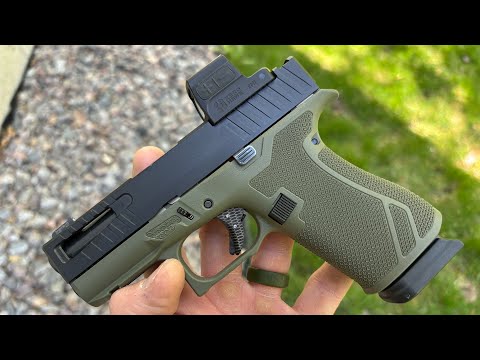
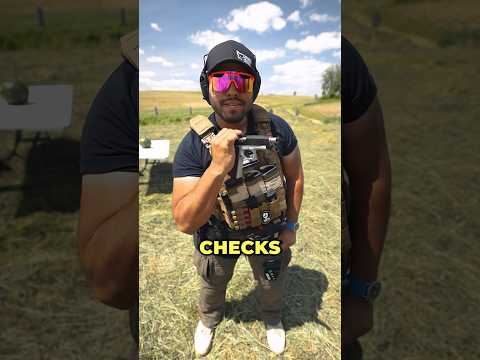
Johnny Q, a former law enforcement officer, argues for prioritizing optics over weapon-mounted lights for civilian Everyday Carry (EDC). He demonstrates how an optic like the Trijicon SRO on his Glock 19 Gen 5 significantly improves target acquisition and accuracy at common distances, especially for daytime use. While acknowledging the utility of lights for night operations, he emphasizes that for most civilians, an optic offers a greater performance advantage in typical EDC scenarios.

Quick Summary

For civilian Everyday Carry (EDC), a firearms instructor recommends prioritizing an optic over a weapon-mounted light. Optics significantly enhance target acquisition speed and accuracy at common engagement distances (20-25 yards), offering a greater performance advantage in typical daylight scenarios compared to the critical but less frequently needed function of a light.

Chapters

  1. 00:00Viewer Comment & Instructor's Stance
  2. 00:08EDC Setup: Glock 19 Gen 5 with Trijicon SRO
  3. 00:18Why Optics Trump Lights for Civilian EDC
  4. 00:26Performance Demonstration: Optics & Accuracy

Frequently Asked Questions

Should I prioritize a weapon-mounted light or an optic for my everyday carry (EDC) handgun?

For civilian EDC, an optic is generally prioritized over a weapon-mounted light if you primarily operate during daylight. Optics significantly enhance target acquisition speed and accuracy at common engagement distances, offering a greater performance advantage in typical scenarios.

How does an optic improve handgun performance for EDC?

Optics, such as red dot sights, provide a larger field of view and a single aiming point, allowing for faster target acquisition and improved accuracy, especially at distances like 20-25 yards. This is crucial for effective self-defense in everyday situations.

When is a weapon-mounted light more important than an optic for a handgun?

A weapon-mounted light is essential for individuals who frequently operate in low-light or no-light conditions, such as law enforcement officers on night shifts or those who anticipate needing to identify threats in darkness. For most civilians, this scenario is less common for EDC.

Related News

All News →

More Tactical & Gear Videos You Might Like

More from Johnny Q

View all →