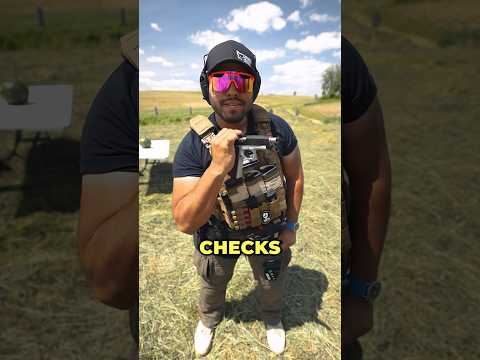
I Shot My Body Armor! #guns #bodyarmor #shorts

Published on October 20, 2023
Duration: 0:30

This video demonstrates a ballistic plate's performance when shot with a handgun. The AR500 Armor plate, made of steel with a spall coating, showed significant swelling on the back and coating damage on the front after being hit with 9mm rounds at close range. The test highlights the importance of understanding backface deformation and material integrity in body armor.

Quick Summary

Johnny Q tested an AR500 steel armor plate by shooting it with a 9mm handgun. The impacts caused significant backface deformation (swelling) on the rear and peeled the fragmentation coating from the front, demonstrating the plate's response to ballistic threats.

Chapters

  1. 00:00Intro: Armor Plate Setup
  2. 00:11Handgun Shooting Test
  3. 00:22Damage Assessment & Swelling

Frequently Asked Questions

What happened when Johnny Q shot the AR500 armor plate?

Johnny Q shot the AR500 steel armor plate with a 9mm handgun. The impacts caused the plate to swell significantly on the back and the fragmentation coating to peel off the front, demonstrating the effects of ballistic impact.

What type of armor was tested by Johnny Q?

The video features an AR500 steel armor plate with a fragmentation/spall coating. It is a curved plate, commonly used in plate carriers for ballistic protection.

What are the key takeaways from shooting the body armor plate?

Key takeaways include visible backface deformation (swelling) and damage to the spall coating. This highlights that even plates that stop bullets can sustain damage affecting their integrity and user safety.

Is AR500 steel armor truly bulletproof after being shot?

While AR500 steel is highly resistant, this test shows it's not impervious. Significant deformation and coating damage occurred, suggesting its effectiveness might be compromised after such impacts, requiring careful assessment.

Related News

All News →

More Tactical & Gear Videos You Might Like

More from Johnny Q

View all →