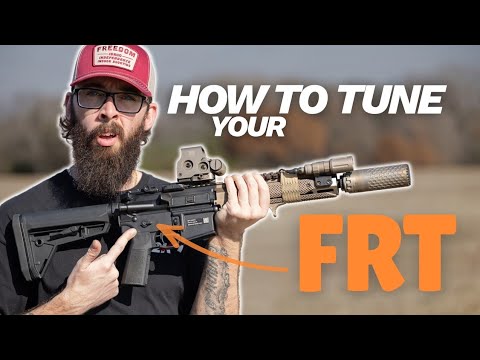
Make your Suppressed AR Suck Less | Tuning

Published on November 1, 2024
Duration: 16:57

This guide details how to tune an AR-15 suppressed rifle that is experiencing overgassing or excessive recoil. It emphasizes using a combination of heavier buffer weights, enhanced buffer springs, and adjustable gas systems (either an adjustable gas block or an adjustable BCG) to mitigate high back pressure. The process involves incremental adjustments and testing to achieve reliable cycling, manageable recoil, and reduced gas blowback, ultimately making the suppressed shooting experience much more pleasant.


Quick Summary

Tuning a suppressed AR-15 involves managing increased gas pressure. Key components include heavier buffer weights (H, H2, H3), enhanced buffer springs, adjustable gas blocks, or adjustable bolt carrier groups (BCGs) like the Bootleg BCG. These parts help mitigate high back pressure, reduce gas blowback, and ensure reliable cycling for a smoother shooting experience.

Chapters

  1. 00:10Introduction to Suppressor Tuning
  2. 00:47Low Back Pressure Cans Explained
  3. 01:30Tuning Without a Flow Can
  4. 02:08BRT Suppressor Gas Tube Installation
  5. 02:39Permanent Barrel Tuning Options
  6. 03:00Real-World Tuning Challenges
  7. 03:43Ammunition's Role in Tuning
  8. 04:06Versatility in Firearm Tuning
  9. 05:38Adjustable Gas Systems
  10. 06:03Types of Adjustable Gas Blocks
  11. 06:34Preferred Adjustable Gas Systems
  12. 07:08Bootleg Adjustable BCG
  13. 08:26Buffer Weights and Springs
  14. 09:27Buffer Spring Dynamics
  15. 10:47Identifying Tuned vs. Untuned Rifles
  16. 11:52Personal Tuning Philosophy
  17. 12:28The BRT Ejection Chart
  18. 13:03Practical Tuning Demonstration
  19. 14:16Adjusting Buffer Weights
  20. 15:25Final Tuning Adjustments
  21. 15:57Conclusion and Future Content

Frequently Asked Questions

What are the main components used to tune a suppressed AR-15?

Tuning a suppressed AR-15 typically involves adjusting the gas system. Key components include heavier buffer weights (H, H2, H3), enhanced buffer springs, adjustable gas blocks, or adjustable bolt carrier groups (BCGs) like the Bootleg BCG. These parts help manage the increased gas pressure and cycling impulse from a suppressor.

How do low back pressure suppressors differ from traditional ones?

Low back pressure (LBB) suppressors, such as the Flow 556k LBB, are engineered to minimize the amount of gas sent back into the receiver. They achieve this by reducing gas energy through methods other than a large expansion chamber, leading to less fouling and a smoother shooting experience with less need for extensive tuning.

What is the role of buffer weights and springs in suppressed AR-15 tuning?

Heavier buffer weights (e.g., H2, H3) increase the reciprocating mass, slowing down the bolt carrier group and increasing dwell time, which helps manage the extra gas from a suppressor. Enhanced buffer springs provide a stronger return stroke, ensuring reliable chambering of rounds. Together, they help balance the cycling of the action.

Can a BRT gas tube help tune a suppressed AR-15?

Yes, a BRT (Black River Tactical) suppressor gas tube is an effective 'sleeper option' for tuning. It's designed to cut down gas at the source, reducing the amount of gas entering the receiver. Installation is relatively straightforward and can significantly improve the shooting experience on an overgassed suppressed rifle.

More Tactical & Gear Videos You Might Like

More from Brass Facts

View all →