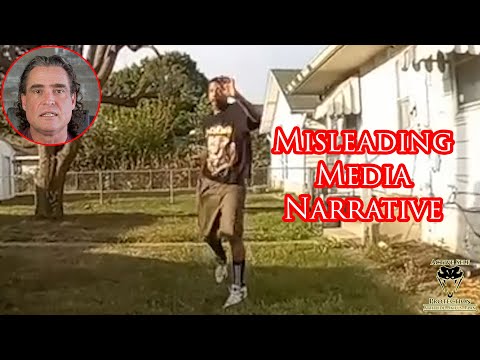
Man Armed With Knife Charges At Officer

Published on February 3, 2023
Duration: 13:34

This guide details tactical responses to a knife-wielding suspect charging an officer, drawing on expert analysis from Active Self Protection. It emphasizes situational awareness, clear communication, the importance of speed and accuracy in engagement, strategic movement, and responsible backstop consideration. The analysis highlights common mistakes like poor grip due to equipment and ineffective retreat tactics.


Quick Summary

Expert analysis from Active Self Protection breaks down officer response to a knife-wielding suspect. Key takeaways include maintaining distance, issuing clear commands, balancing speed and accuracy in engagement, prioritizing a clear backstop, and using lateral movement (strafing) for effective retreat, avoiding common pitfalls like poor grip or ineffective backward movement.

Chapters

  1. 00:00Introduction and Sponsorship
  2. 00:41Incident Context
  3. 01:11Footage of the Encounter
  4. 02:40Speed and Accuracy Analysis
  5. 03:12Mental and Spiritual Preparation
  6. 04:14Tactical Positioning and Communication
  7. 05:23The Tueller Principle and Movement
  8. 06:27Equipment Management Critique
  9. 08:16Backstop and Decision Making
  10. 09:46Strafing vs. Backing Up

Frequently Asked Questions

What tactical principles should an officer consider when facing a suspect armed with a knife?

Officers should maintain situational awareness, establish distance, use clear commands, and be prepared for rapid engagement. They must balance speed and accuracy, prioritize a clear backstop, and employ effective movement like strafing if forced to retreat.

How does the Tueller Drill apply to officer-involved incidents with edged weapons?

The Tueller Drill (21-foot rule) highlights the close proximity threat posed by a knife. It emphasizes that an officer must be prepared to react and engage within that short distance, stressing the importance of movement and drawing speed.

What are common mistakes officers make when engaging a knife threat?

Common mistakes include poor equipment management (like holding keys while drawing a firearm), ineffective retreat tactics (backing straight up), and failing to consider the backstop before firing, potentially endangering bystanders.

Why is lateral movement (strafing) recommended over backing up when retreating from a threat?

Strafing helps an officer maintain better balance and avoid falling, which can happen when backing up in a straight line. This stability is crucial for retaining control and readiness to re-engage if necessary.

Related News

All News →

More Tactical & Gear Videos You Might Like

More from Active Self Protection

View all →