Minuteman Homeland Defense vs China

Published on May 10, 2025
Duration: 20:09

This video outlines defensive strategies for 'modern Minutemen' against a hypothetical Chinese invasion, focusing on decentralized guerrilla warfare tactics. It details fire team organization, equipment recommendations, and operational principles like hit-and-run attacks, targeting enemy logistics and leadership, and leveraging night operations. The content emphasizes preparation, training, and community organization for effective homeland defense.

Quick Summary

Modern Minutemen can exploit Chinese PLA weaknesses by targeting their rigid command structure and reliance on mass tactics through decentralized guerrilla warfare. Key strategies include operating in small, agile fire teams (4-6 members), prioritizing hit-and-run attacks on logistics and leadership, and leveraging night operations due to the PLA's limited night vision. Essential training covers marksmanship, CQB, TCCC, and physical fitness.

Chapters

  1. 00:00Introduction: Chinese Invasion Scenario
  2. 00:14Channel Intro & Video Purpose
  3. 00:38Context: Taiwan Issue & Global Conflict
  4. 00:59Preparation: Data, Tactics, Equipment
  5. 01:55Chinese Military Overview & Data Points
  6. 02:07PLA Airborne Corps Strength
  7. 02:25PLA Training Philosophy & Structure
  8. 02:56PLA Tactics: Rigid Command Structure
  9. 03:14PLA Gear: QBZ-191, Body Armor, NVGs
  10. 03:39PLA Infantry Tactics & Squad Structure
  11. 04:02PLA Doctrine: Mass & Fire Superiority
  12. 04:18Urban Fighting: American Advantage
  13. 04:48PLA Mass Wave Doctrine
  14. 05:05PLA Weaknesses: Irregular Warfare
  15. 05:17Defensive Strategy for the Modern Minuteman
  16. 05:22Fire Team Operations (4-6 Men)
  17. 05:36Fire Team Breakdown: Roles & Weapons
  18. 06:06Ammunition Recommendation: 5.56
  19. 06:11Decentralized Guerrilla Warfare Principles
  20. 06:13Avoid Open Conflict, Use Hit and Run
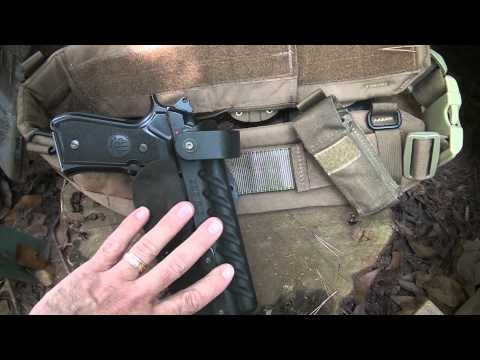
  21. 06:32Targeting: Supply Convoys, Soft Targets, Comms
  22. 06:43Ambush Tactics & Choke Points
  23. 07:12Terrain Utilization for Advantage
  24. 07:23Force Terrain Channeling into Kill Zones
  25. 07:44Force Multipliers: Drones
  26. 08:10Night Operations: Winning the Night
  27. 08:34Recommended Firearm Specifications
  28. 08:44Recommended Sidearm Models
  29. 08:59Designated Marksman Rifle (DMR) Considerations
  30. 09:22Armor and Loadout Recommendations
  31. 09:39Communications: BaoFeng Radio
  32. 10:17Sustenance: Water Purification & MREs
  33. 10:31Ammunition Stockpiling Recommendations
  34. 10:47Marksmanship Training Under Stress
  35. 11:18CQB Room Clearing Training
  36. 11:38Medical Training: TCCC
  37. 12:01Fitness Requirements: Rucking, Push-ups, Pull-ups
  38. 12:22Comms Discipline & Etiquette
  39. 12:28Team Drills: React to Contact, Assault, Ambush
  40. 12:50Conducting Raids
  41. 12:59Intel & Organization: Mutual Assistance Groups (MAGs)
  42. 13:24Rally Points, Safe Houses, Caches
  43. 13:54Recon Routes & Fallback Planning
  44. 14:08Enemy Weak Points to Target
  45. 14:10Targeting Logistics & Supplies
  46. 14:24Targeting Leadership (Officers)
  47. 14:46Exploiting Morale & Conscript Vulnerabilities
  48. 15:16Language & Terrain Barriers
  49. 15:44Psychological Warfare Tactics
  50. 16:25Exploiting Cultural Differences
  51. 16:46Conclusion: Prepare Now
  52. 17:14Stand Ready for the Greater Good
  53. 17:35Winning the Fight: Preparation is Key
  54. 17:50Role as Squad Leader
  55. 18:15Educate Yourself Now
  56. 18:21Request for Russian Army Equivalent Video
  57. 18:27Support the Channel: Patreon
  58. 18:34Outro: Combat Llamas & Signing Off

Frequently Asked Questions

What are the key weaknesses of the Chinese PLA that a modern Minuteman can exploit?

The Chinese PLA's weaknesses include their rigid, top-down command structure, which can be disrupted by targeting leadership. Their reliance on mass wave tactics can be countered by decentralized guerrilla warfare. Additionally, their limited night vision capabilities and potential reliance on conscripts with lower morale present exploitable vulnerabilities.

What is the recommended fire team structure for decentralized guerrilla warfare?

The recommended fire team size is 4-6 individuals. The structure includes three riflemen, one Radio Telephone Operator (RTO), one medic (who is also armed), and one designated marksman. This composition ensures a balance of firepower, communication, medical support, and precision engagement capabilities.

What types of targets should a modern Minuteman focus on during an invasion scenario?

Minutemen should prioritize targeting the enemy's logistics, including fuel depots, food supplies, and communications relays. Additionally, targeting PLA officers is crucial due to their command structure. Attacking soft targets and command and control nodes, rather than direct engagement, is advised.

What are the essential training areas for a modern Minuteman preparing for conflict?

Essential training includes marksmanship under stress (hitting targets at 300m after exertion), CQB room clearing, Tactical Combat Casualty Care (TCCC) for treating severe injuries, physical fitness (rucking, push-ups, pull-ups), and communications discipline. Team drills for reacting to contact and ambushes are also vital.

More Tactical & Gear Videos You Might Like

More from Trench Grenade

View all →