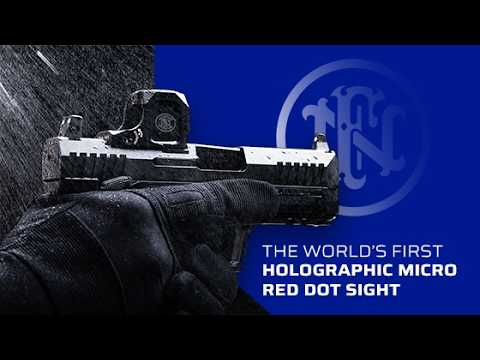
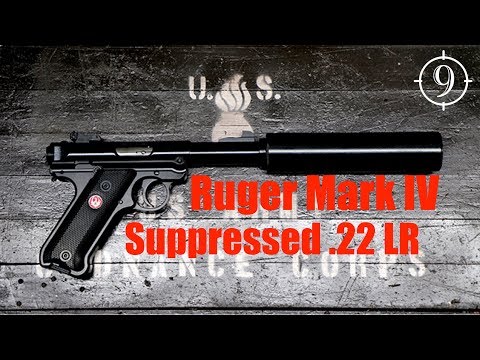
NATO PDW Trials: The Forbidden Saga of "MP7 vs P90" [ Collab with Oxide ]

Published on November 5, 2021
Duration: 24:28

This video delves into the historical NATO PDW trials, specifically the competition between the FN P90 and H&K MP7. Drawing on unclassified 2002 NATO Army Armaments Group (NAAG) reports and expert analysis from Ben Oxide, it debunks common myths about the trials' objectives and outcomes, revealing the true intent was to standardize a 9mm replacement rather than defeat heavy armor. The analysis highlights the political deadlock and eventual standardization of both calibers years later.

Quick Summary

The 2002 NATO PDW trials, featuring the FN P90 and H&K MP7, aimed to replace the 9x19mm NATO cartridge. Contrary to myth, tested rounds like 5.7x28mm and 4.6x30mm failed to penetrate heavy Soviet armor, and the CRISAT target was weaker. Political deadlock delayed standardization until 2020 (STANAG 4509).

Chapters

  1. 00:00Introduction to NATO PDW Trials
  2. 01:28Common Misconceptions about Armor Penetration
  3. 03:23Trial Structure and Candidates
  4. 05:13The Goal: Replacing 9x19mm
  5. 06:59Armor Penetration Reality vs. Myth
  6. 10:33Political Stalemate and US Absence
  7. 13:08Technical Results: Who Won?
  8. 18:09The 2020 STANAG and Russian Benefits

Frequently Asked Questions

What was the primary goal of the NATO PDW trials involving the FN P90 and H&K MP7?

The primary goal of the NATO PDW trials was to find a replacement for the 9x19mm NATO cartridge, which was becoming less effective against modern body armor, and to establish a new Standardization Agreement (STANAG) for a more capable personal defense weapon caliber.

Did the 5.7x28mm and 4.6x30mm cartridges penetrate heavy Russian armor during the NATO PDW trials?

No, reports indicate that neither the 5.7x28mm nor the 4.6x30mm cartridges could penetrate standard Soviet 6B3 armor. The 'CRISAT' target used in trials was a much weaker 1.6mm titanium plate designed to filter out 9mm rounds, not represent heavy frontline armor.

What were the key differences in performance between the FN 5.7x28mm and H&K 4.6x30mm during the NATO PDW trials?

The FN 5.7x28mm demonstrated superior terminal ballistics and incapacitation potential, while the H&K 4.6x30mm offered better armor penetration against the specific CRISAT target and improved accuracy. Reliability issues were noted for the FN system.

Why did it take so long for NATO to standardize a PDW caliber after the trials?

A political deadlock between France/Belgium favoring the 5.7mm and Germany promoting the 4.6mm prevented consensus for many years. Ironically, Russia developed its own PDW solutions within the 9mm framework. Standardization under STANAG 4509 finally occurred in 2020.

Related News

All News →

More Tactical & Gear Videos You Might Like

More from 9-Hole Reviews

View all →