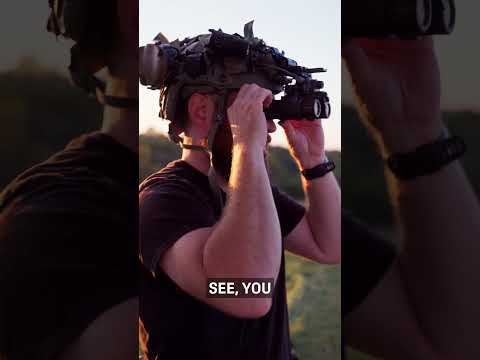
Night Vision for Dummies with Lucas Botkin

Published on October 18, 2025
Duration: 55:37

This video provides a comprehensive, beginner-friendly overview of night vision devices, covering monocular vs. binocular systems, different generations, and essential accessories like helmets and mounts. It emphasizes the significant cost, the importance of proper training, and practical considerations for use, including laser aiming devices and illuminators. The discussion highlights that while night vision is expensive and not a budget item, it offers unique capabilities for specific applications.


Quick Summary

Night vision devices range from monoculars to dual-tube binoculars, with costs starting around $4,000-$5,000 and going up to $40,000+. Essential accessories include helmets, quality mounts like the Wilcox G24, and potentially lasers/illuminators. Modern Gen 3 NVGs are durable but require care to avoid light damage.

Chapters

  1. 00:00Introduction to Night Vision for Dummies
  2. 01:15Choosing the Number of Tubes: Monocular vs. Binocular
  3. 02:45Types of Night Vision Devices: PVS-14, PVS-31, Panos
  4. 05:03First Impressions: Using Dual Tubes in the Field
  5. 06:16Night Vision is Not Budget-Friendly: Cost and Utility
  6. 09:31Weapon Handling Under Night Vision
  7. 11:47Illuminators and Designators for Night Vision
  8. 13:44Helmet and Mount Essentials: Ops-Core and Wilcox G24
  9. 15:50Importance of Familiarity with NVG Controls
  10. 17:15Shock Cord Stabilization for NVGs
  11. 19:00Purchasing Night Vision Units: Reputable Dealers
  12. 19:45Night Vision as an Investment: Value Retention
  13. 21:28Laser Aiming Devices: Civilian vs. Full Power
  14. 25:01IR Illuminators: Enhancing Visibility
  15. 26:47Airsoft Lasers for Training
  16. 29:22Dual Tubes vs. Quad Tubes: Cost and Features
  17. 30:04Understanding Night Vision Generations (Gen 3, White Phosphor)
  18. 31:36Choosing a Reputable Night Vision Vendor
  19. 32:07Green vs. White Phosphor Night Vision
  20. 32:41Cost Breakdown: Dual Tubes, Helmets, Lasers
  21. 34:27Essential Accessories: Headlamps and Counterweights
  22. 36:35White Light and Eye Pro Considerations
  23. 36:44Counterweights and Battery Packs for NVGs
  24. 38:43Price of Panoramic Night Vision
  25. 40:05Night Vision Lifespan and Future Technology
  26. 42:47Durability and Fragility of Night Vision Gear
  27. 45:56Avoiding 'Day Noodles': Protecting Your NVGs
  28. 46:41Bumping into Objects with NVGs On
  29. 48:33Rattling Mounts and Gear Fixes
  30. 49:19Retaining Gear on Your Helmet
  31. 50:07Walking and Navigating with Night Vision
  32. 51:35Effort Required for Tasks with NVGs
  33. 52:12Diminishing Returns and Practice with Night Vision
  34. 53:31Initial Training vs. Sustained Use of NVGs
  35. 54:39Conclusion: The Fun and Cost of Night Vision

Frequently Asked Questions

What are the main types of night vision devices?

Night vision devices primarily come in monocular (single tube) and binocular (dual tube) configurations. Monoculars are simpler and less expensive, while binoculars offer a more immersive experience by providing a duplicated image to each eye.

How much does night vision equipment typically cost?

Night vision is a significant investment. Entry-level setups can start around $4,000-$5,000, with high-end systems like panoramic binoculars costing upwards of $40,000. It is not considered a budget-friendly purchase.

What are the essential accessories needed for night vision?

Key accessories include a ballistic or bump helmet with a shroud for mounting, a high-quality helmet mount (like the Wilcox G24), and potentially a laser aiming device and IR illuminator for tactical applications. Counterweights are also recommended for comfort.

How durable is night vision equipment?

Modern night vision, particularly Gen 3 devices, is surprisingly robust and can withstand impacts better than many assume. However, prolonged exposure to bright light can degrade performance or cause permanent damage, so proper care is essential.

What is the difference between green and white phosphor night vision?

White phosphor night vision produces a grayscale image, which is generally preferred for reduced eye strain during extended use compared to green phosphor, which has been the standard for decades.

More Tactical & Gear Videos You Might Like

More from Joel Park

View all →