Night Vision Options: Prepper School Vol. 29

Published on June 21, 2022
Duration: 61:26

This video explores various night vision and thermal imaging options for preppers and firearm owners, emphasizing that light is a primary security tool. It covers everything from basic flashlights and illuminated reticle scopes to advanced thermal imagers and night vision monoculars like the PVS-14. The discussion highlights the importance of understanding the trade-offs between detail, cost, and application for each technology, with recommendations for budget-friendly entry points and high-end solutions.

Quick Summary

Light is the primary security tool, serving as the first line of defense by illuminating the dark and deterring threats. Adding weapon lights can also reduce recoil and muzzle flip on handguns. For low-light optics, consider the f-factor for light gathering, and for vision issues like astigmatism, green reticles may offer better clarity than red.

Chapters

  1. 00:00Introduction and Sponsors
  2. 01:55Topic: Night Vision and Seeing in the Dark
  3. 02:34Basics: Flashlights as Security Tools
  4. 04:07Weapon Lights and Lasers
  5. 06:32Magnified Optics and Light Gathering
  6. 07:13Rifle Sights: Trijicon ACOG and Tritium
  7. 08:05History of Night Vision
  8. 09:18Night Fighting Class and Prepper Mindset
  9. 09:51Illuminated Reticle Scopes
  10. 11:00Headlamps for Hands-Free Use
  11. 11:46Motion Sensing and Solar Lights
  12. 12:02Ring Security Cameras with Infrared
  13. 13:07Q&A: Illuminating Property vs. Night Vision Gear
  14. 14:59Q&A: Perimeter Cameras and Aim Stakes
  15. 16:01Q&A: Vision Issues and Night Vision Gear
  16. 18:37Q&A: Thermal Imaging vs. Night Vision
  17. 20:27Q&A: Bugging Out for a Hurricane
  18. 21:14Q&A: When to Use Night Vision vs. Flashlight
  19. 23:02Q&A: Night Vision Under $2000
  20. 25:08Q&A: PVS-14 and Dual Tube Night Vision
  21. 26:46Psionics Aurora Review
  22. 28:34FLIR Scout Thermal Imager
  23. 29:04Sony Camcorder Night Shot Feature
  24. 30:06ATN X-Sight HD Day/Night Scope
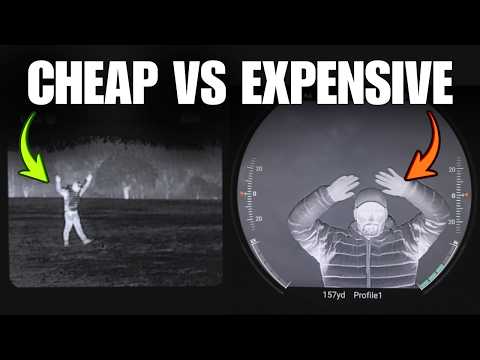
  25. 33:05Thermal vs. Night Vision Detail Comparison
  26. 34:57Q&A: IR Floodlights for Camera Range
  27. 36:07Q&A: Patriot Food Supply
  28. 36:25Q&A: Used Night Vision and Laser Targeting
  29. 40:28Q&A: Best Rifle Night Vision Scope
  30. 40:56Burris BTS50 Thermal Scope
  31. 42:53Q&A: Where to Find Night Vision
  32. 44:14Q&A: Most Durable Night Vision Scope
  33. 45:02Helmet Mounts for Night Vision
  34. 53:52Q&A: Prioritizing Debt vs. Prepping
  35. 55:13Q&A: Helmets for Larger Heads
  36. 56:18Q&A: Handheld Night Vision/Thermal (Low to High Price)
  37. 58:51Concluding Thoughts and Recommendations
  38. 60:10Thanks and Sponsor Mentions

Frequently Asked Questions

What is the primary advantage of night vision over thermal imaging?

Night vision typically provides more detailed visual information, allowing for better identification of targets. While thermal imaging excels at detecting heat signatures, night vision offers a clearer picture of what the target actually is, which is crucial for positive identification.

How can a weapon light improve handgun performance?

Adding a weapon light to a handgun increases static weight on the front end. This added weight can help reduce recoil and muzzle flip, enabling faster follow-up shots and improving overall control during rapid firing sequences.

What should someone with astigmatism consider when choosing red dot sights?

Individuals with astigmatism often experience a 'bloom' or starburst effect with red dot sights. Switching to a green reticle instead of red can significantly improve clarity, as the green color tends to be less prone to this distortion, offering a sharper aiming point.

What are some budget-friendly night vision options?

For budget-conscious buyers, options like the Psionics Aurora, Sightmark scopes, or ATN X-Sight Pro offer decent night vision capabilities. These provide a good entry point into night vision technology without the high cost of professional-grade equipment.

Why is light considered the number one security tool?

Light serves as a primary security tool because it illuminates the surroundings, deterring potential threats and allowing for early detection. Having adequate lighting around a property or on one's person is the first step in identifying and mitigating risks in low-visibility conditions.

Related News

All News →

More Tactical & Gear Videos You Might Like

More from SensiblePrepper

View all →