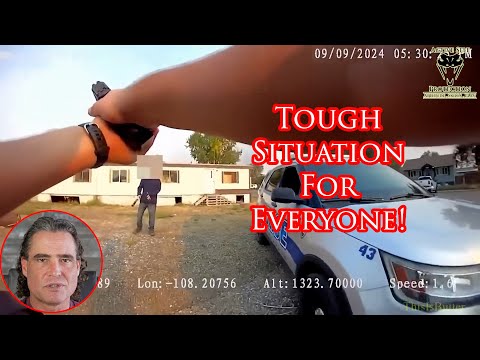
Officer Doesn't Use His Training Or Tools Correctly

Published on November 16, 2022
Duration: 12:09

This analysis, presented by Active Self Protection, critically examines an incident where an officer's Taser deployment failed due to suspect clothing, leading to a physical struggle and a fatal shooting. The expert commentary highlights critical errors in Taser use, weapon retention, and tactical decision-making, suggesting alternative approaches like waiting for backup or using pepper spray. The review emphasizes the importance of proper training and equipment management in preventing escalated, preventable use-of-force incidents.

Quick Summary

Expert analysis of a Taser X26 failure reveals critical officer errors, including attempting use on a suspect with baggy clothing and losing control of the discharged weapon. The review emphasizes tactical discretion, suggesting backup and alternative less-lethal options like pepper spray to prevent unnecessary escalation and preventable shootings.

Chapters

  1. 00:00Introduction and Sponsorship
  2. 00:45Incident Context
  3. 01:06The Struggle and Shooting
  4. 02:25Taser Limitations and Discretion
  5. 06:15Technical Analysis of the Taser X26
  6. 08:04Alternative Tools and Tactical Errors

Frequently Asked Questions

Why did the officer's Taser fail in this incident?

The Taser X26 likely failed due to the suspect's baggy clothing, which prevented the probes from achieving adequate spread and establishing a proper electrical connection. This highlights a critical consideration for CEW effectiveness in real-world scenarios.

What tactical errors did the officer make according to the analysis?

The officer's tactical errors included attempting a solo confrontation with a non-violent suspect, failing to maintain control of the discharged Taser, and potentially escalating the situation unnecessarily. Waiting for backup was suggested as a safer alternative.

What are the limitations of a Taser X26 when discharged on the ground?

When a Taser X26 is discharged and on the ground, its primary threat shifts from a distance incapacitation tool to a 'drive stun' device, meaning it can only be used for direct, close-contact electrical application.

What alternative less-lethal options were suggested?

The analysis suggested that pepper spray (OC spray) might have been a more effective or appropriate less-lethal option in this specific scenario, especially considering the potential for clothing to impede Taser probe spread.

More Tactical & Gear Videos You Might Like

More from Active Self Protection

View all →