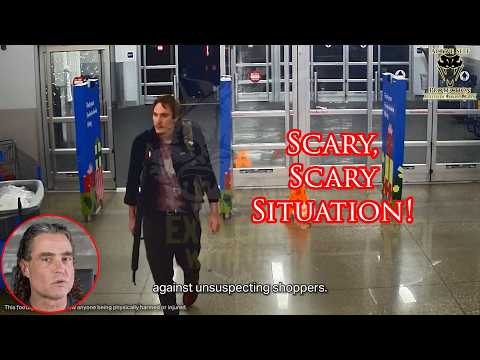
Officers Faced With Uncommunicative Man Shooting Up Apartment Complex

Published on March 6, 2023
Duration: 15:52

This video from Active Self Protection analyzes a critical incident where officers responded to an active shooter situation. Featuring insights from John Correia, a former firearms instructor with 30 years of law enforcement experience, the analysis covers tactical approaches, weapon selection, communication discipline, and marksmanship under stress. The content emphasizes the importance of decisive action and clear communication in high-threat scenarios.

Quick Summary

Active Self Protection analyzes an active shooter incident, stressing the importance of treating 'shots fired' calls as active threats. Key takeaways include the superiority of rifles/shotguns over handguns at 40 yards, the necessity of concise radio communication, and careful marksmanship in residential areas to prevent over-penetration.

Chapters

  1. 00:00Introduction and Sponsorship
  2. 00:44Initial Response
  3. 01:11Confrontation and Commands
  4. 02:13Exchange of Gunfire
  5. 05:34Tactical Approach and Custody
  6. 06:27Post-Incident Analysis: Mindset and Distance
  7. 07:20Weapon Selection: Rifle vs. Pistol
  8. 08:31Communication and Radio Discipline
  9. 09:48Marksmanship and Backstops
  10. 12:38Team Tactics and Safety

Frequently Asked Questions

What tactical lessons can be learned from the Active Self Protection video about responding to an active shooter?

The video emphasizes treating all 'shots fired' calls as active threats, the superiority of long guns over handguns at distances like 40 yards, and the critical need for concise radio communication. It also highlights team tactics, muzzle discipline, and situational marksmanship under stress.

How important is weapon selection in an active shooter scenario like the one in Knoxville, Tennessee?

Weapon selection is crucial. The analysis points out that while a handgun is drawn initially, rifles or shotguns are far more effective for engagements at 40 yards. Choosing the right tool for the distance significantly impacts officer effectiveness and suspect apprehension.

What are the key communication takeaways for law enforcement officers during active threat incidents?

Effective communication demands brevity and clarity. Officers should use actionable codes like 'Code Cover' rather than narrating events. This ensures critical information is conveyed quickly, aiding coordinated tactical responses and officer safety.

What marksmanship considerations are vital when engaging a threat in a residential area?

Engaging threats in residential areas requires careful consideration of backstops to prevent over-penetration into apartments or surrounding structures. Training must focus on flat-range skills applied under stress, ensuring accuracy and minimizing collateral damage.

Related News

All News →

More Tactical & Gear Videos You Might Like

More from Active Self Protection

View all →