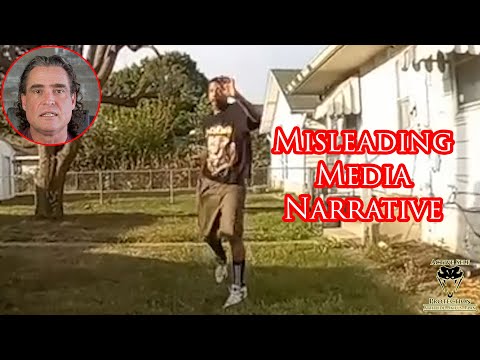
Poor Decisions Lead To Poor Outcomes In Ontario, New York

Published on October 3, 2024
Duration: 17:29

This analysis breaks down an officer-involved shooting incident in Ontario, New York, highlighting critical decision points and tactical errors. Experts John Correia and Mike Willever emphasize the importance of advanced marksmanship, effective de-escalation strategies beyond repetitive commands, and the crucial role of rapport-building in high-stress situations. The video also touches on the necessity of quality gear, such as weapon-mounted lights, and proper shooting mechanics.


Quick Summary

Expert analysis of an Ontario, New York officer-involved shooting emphasizes critical de-escalation tactics and marksmanship. Key takeaways include avoiding the 'verbal loop,' prioritizing rapport-building, and maintaining shooting skills that exceed department standards. Proper use of gear like weapon-mounted lights is also highlighted.

Chapters

  1. 00:00Introduction and Sponsorship
  2. 00:35Incident Background
  3. 01:05Standoff and Commands
  4. 04:45Escalation and Shooting
  5. 10:10De-escalation Analysis
  6. 12:45Building Rapport Strategy
  7. 15:57Marksmanship and Gear Analysis

Frequently Asked Questions

What are key de-escalation strategies discussed in the Ontario, New York incident analysis?

The analysis highlights the failure of a 'verbal loop' and promotes a strategy of making contact, building rapport, and then affecting behavior. It stresses recognizing when a tactic isn't working and adapting the approach.

Why is marksmanship considered crucial for law enforcement in defensive scenarios?

Superior marksmanship skills, exceeding basic qualifications, are vital for accuracy under stress. Issues like poor trigger control can lead to missed shots, emphasizing the need for consistent, high-level shooting proficiency.

What role do weapon-mounted lights play in tactical situations?

Weapon-mounted lights are essential for target identification and alignment, particularly in low-light conditions or dynamic encounters. Proper alignment relative to the suspect is key for effective use.

What common mistakes do officers make during de-escalation?

A frequent mistake is getting stuck in a 'verbal loop,' repeatedly issuing the same commands without effect. Another is skipping the crucial step of building rapport with the subject before attempting to influence their behavior.

Related News

All News →

More Tactical & Gear Videos You Might Like

More from Active Self Protection

View all →