Quick Tip: Concealed Carry Appendix

Published on December 15, 2016
Duration: 5:49

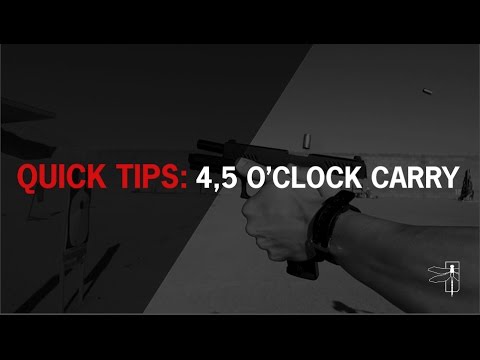
This guide details the technique for appendix concealed carry, drawing from expert Travis Haley. It covers optimal holster positioning, the critical role of a sturdy belt, and adjustments for concealment versus accessibility. The instruction emphasizes safe and efficient draw strokes from various positions, including during physical engagements, highlighting its advantages in close-quarters scenarios.

Quick Summary

Appendix concealed carry involves positioning the holster between the 12 and 2 o'clock positions. A rigid belt is crucial for stability, and holster height should be adjusted to balance concealment with accessibility. Travis Haley notes its advantages in close-quarters combat and vehicle scenarios, while addressing common safety concerns with practical reasoning.

Chapters

  1. 00:00Introduction to Appendix Carry
  2. 00:33Importance of a Solid Belt
  3. 01:10Concealment vs. Accessibility
  4. 01:31Advantages of Appendix Carry
  5. 02:20Defensive Tactics and Close Quarters
  6. 03:05Addressing Safety Concerns
  7. 04:17Drawing Techniques

Frequently Asked Questions

What is the optimal holster position for appendix concealed carry?

The optimal position for appendix carry typically ranges from 12 o'clock to 2 o'clock, depending on individual body shape, firearm size, and personal preference. Experimentation is key to finding the best spot for comfort and accessibility.

Why is a sturdy belt crucial for appendix carry?

A rigid, high-quality belt is essential for appendix carry because it provides a stable platform for the holster. This ensures the holster clips engage properly, preventing it from coming out during the draw and maintaining consistent firearm retention.

How does appendix carry compare to other concealed carry positions in self-defense scenarios?

Appendix carry is often favored in close-quarters struggles or ground fighting because it requires less body movement to access the firearm compared to hip or small-of-back positions, making it more efficient under duress.

What are the main considerations when adjusting appendix holster height?

Adjusting holster height involves balancing concealment and accessibility. Lowering the holster improves concealment by reducing printing but can make the draw slower. Raising it improves draw speed but increases the risk of the firearm printing through clothing.

More Tactical & Gear Videos You Might Like

More from Haley Strategic Partners

View all →