This video explains how to adjust the clip height on Inside-the-Waistband (IWB) holsters to optimize firearm access and concealment. Lowering the clips raises the firearm for easier drawing, while raising the clips lowers it for better concealment. The presenter advises experimenting to find the best balance for individual comfort and carry needs.
This video explains how adjusting holster cant can significantly improve draw efficiency and reduce tension. By aligning the butt of the pistol with the belt line, shooters can achieve a more natural grip and a smoother draw stroke, minimizing shoulder movement and upper body tension. This technique is particularly beneficial for those experiencing draw-related tension.
This review of the Kimber CDS9 Classic highlights its position as a more affordable entry into the compact 2011 carry gun market, aiming to replicate the functionality of higher-priced models. The speaker, an experienced firearms instructor, details the design changes from the original CDS9, focusing on cost-reduction measures like a simpler finish and polymer grip modules. Practical aspects such as carry comfort, shooting dynamics, and reliability are thoroughly assessed, offering a balanced perspective on its strengths and weaknesses for concealed carry.
Joe Farwell of Tactical Hive explains how to optimize holster cant for a faster, more consistent draw. He demonstrates how aggressive forward cant on stock holsters can lead to awkward body mechanics, including shoulder roll and wrist strain. By adjusting the holster to a more vertical or slightly backward cant, shooters can achieve a more biomechanically efficient draw stroke, allowing the elbow to act as a piston and the wrist to maintain a natural angle for consistent red dot acquisition.
This video provides essential guidance for preparing for a range visit, emphasizing safe firearm handling and proper gear organization. It covers setting up your range bag, understanding holster cant for ergonomic draws, correct magazine loading and pouch usage, and crucial range etiquette. The instructor stresses the importance of following range rules and being considerate of others to ensure a safe and productive training environment.
This tip from Tactical Hyve focuses on optimizing appendix concealed carry by adjusting holster cant. Instructor Miles explains that many users neglect this adjustment, but it can significantly improve draw efficiency by aligning the firearm's angle with the natural draw stroke. Experimenting with cant can lead to a more comfortable and faster draw.
Instructor Mike, a former police officer and firearms instructor, identifies a critical safety issue with an off-duty officer's canted holster. He provides and installs a Safariland duty holster for a Glock 19, demonstrating proper retention mechanics and the importance of a natural index draw. He also advises on switching from FMJ to hollow-point ammunition for duty use to mitigate over-penetration risks.
This guide provides six expert tips for improving appendix carry, drawing from Myles' extensive experience with Tactical Hyve. It covers optimizing holster cant, using concealment aids like claws and wedges, adjusting ride height, selecting quality attachments, and choosing the right belt. These techniques aim to enhance both the comfort and concealability of carrying a firearm appendix.
Myles from Tactical Hyve provides expert guidance on common tactical gear setup mistakes. He emphasizes correct magazine orientation, optimal holster angles and height, and the importance of a minimalist loadout. The guide also covers garment selection for concealed carry and ensuring a smooth draw stroke, drawing on practical experience and professional feedback.
This video offers a quick tip on how to determine the optimal placement for your firearm holster. The instructor emphasizes finding a position that allows for a consistent and solid grip on the firearm from the draw. Key factors discussed include the type of carry (inside the waistband, appendix, etc.), body design, and the possibility of canting the holster. The instructor encourages viewers to experiment with their firearm and holster in their preferred carry position to find what works best for their individual grip and accessibility.
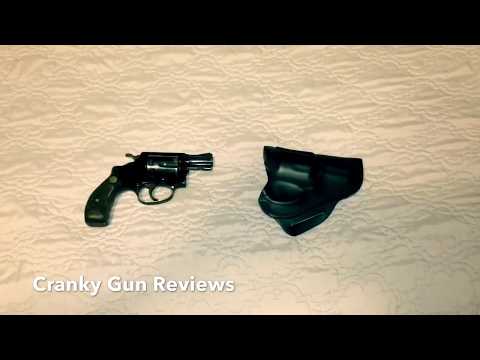
This review examines the Blackhawk Speed Classic holster for Smith & Wesson J-frame revolvers. The reviewer highlights its excellent retention due to a unique elastic strap, making it difficult to draw without a deliberate twist. However, a significant drawback is the holster's bulk and how it positions the firearm above the belt, negatively impacting concealment for individuals of average build. The reviewer explores alternative carry positions and considers an FBI cant holster for better concealment.
This comprehensive guide from Geauga Firearms Academy, led by instructor Neil, details various concealed carry positions and holster types. It covers the pros and cons of IWB, OWB, appendix, and 4 o'clock carry, along with explanations of hybrid, Kydex, and tuckable holsters. The instruction emphasizes practical concealment techniques for different attire and body types, stressing the importance of holster safety and proper cant for an effective draw.
Gun Laws by State
Read firearms regulations for all 50 states + D.C.
Find Gun Dealers
Search licensed FFL dealers near you.