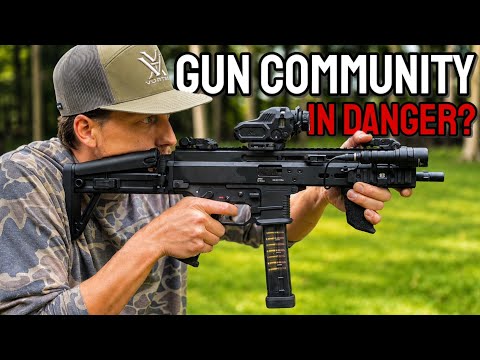
Reasons You Need an SBR

Published on March 31, 2025
Duration: 1:11

This video discusses the build philosophy behind Short Barreled Rifles (SBRs), specifically an 11.5-inch AR-15. The primary reasons for choosing an SBR are enhanced maneuverability in confined spaces, such as getting in and out of vehicles or for home defense. While SBRs offer advantages in close-quarters applications, potential drawbacks like reduced velocity for longer ranges are acknowledged.

Quick Summary

Short Barreled Rifles (SBRs) offer superior maneuverability, making them excellent for truck guns and home defense. Their compact design excels in tight spaces, though a trade-off exists in reduced muzzle velocity compared to longer-barreled rifles, impacting long-range performance.

Chapters

  1. 00:00Build Philosophy: Why Go Short?
  2. 00:02Example SBR: 11.5-inch Barrel
  3. 00:15Compactness and Maneuverability Benefits
  4. 00:20SBR as a Truck Gun
  5. 00:31SBR for Home Defense
  6. 00:41Drawbacks of Compacting Firearms
  7. 00:45Velocity Considerations
  8. 00:54Shorter is Better for Close Applications
  9. 01:01Conclusion: Smaller AR-15 for Truck Gun

Frequently Asked Questions

What are the main advantages of owning a Short Barreled Rifle (SBR)?

The primary advantages of an SBR are its compact size and enhanced maneuverability. This makes them ideal for use as truck guns, easier to handle when entering or exiting vehicles, and more agile for home defense scenarios in tight spaces.

Are there any downsides to using an SBR compared to a standard rifle?

Yes, a significant drawback of SBRs is the reduction in muzzle velocity due to the shorter barrel. This can impact ballistic performance and effective range, which is generally a priority for longer-range shooting applications.

How does an SBR perform in close-quarters situations?

For close-quarters applications, an SBR generally performs very well. Its compact nature allows for easier handling and movement in confined environments, making it a practical choice for scenarios like home defense or vehicle operations.

What is involved in legally owning an SBR?

Legally owning an SBR requires compliance with the National Firearms Act (NFA). This process typically involves obtaining a tax stamp, which signifies that the firearm has been registered with the Bureau of Alcohol, Tobacco, Firearms and Explosives (ATF).

Related News

All News →

More Tactical & Gear Videos You Might Like

More from Elliott Delp

View all →