Rifle Scope Myths Hunters Keep Falling For

Published on May 28, 2026
Duration: 16:45

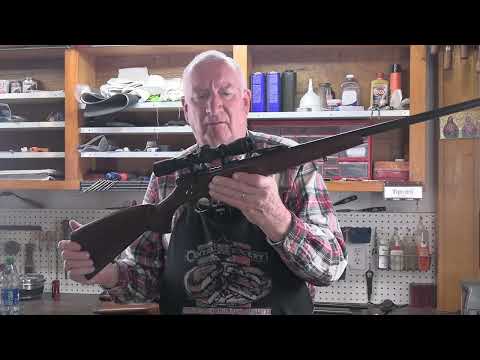
This video debunks common rifle scope myths, featuring insights from John Snodgrass of Leupold. Key takeaways include that heavier scopes can be less durable due to recoil forces, environmental factors significantly impact zero, and reticle subtensions on second focal plane scopes are magnification-dependent. The discussion also covers rangefinder accuracy, the importance of lens quality over tube size for brightness, and proper scope ring torque specifications.


Quick Summary

Heavier rifle scopes can be less durable because increased mass amplifies shock and wear on internal components under recoil. The greater force generated by a heavier scope during acceleration can lead to screw shearing or internal damage. Environmental factors, particularly wind, significantly impact a rifle's zero, leading to perceived zero shifts due to bullet trajectory changes.

Chapters

  1. 00:00Introduction & Scope Myths
  2. 00:23Myth 1: Beefier Scope = More Durable
  3. 01:18Myth 2: Ranging on Target vs. Base
  4. 02:00Fine Reticle Dots & Magnification
  5. 02:35Myth 3: Environmentals Don't Affect Zero
  6. 03:37Wind's Impact on Accuracy Testing
  7. 03:77First vs. Second Focal Plane Scopes
  8. 04:50Leupold SFP Reticle Subtensions
  9. 05:11Tool-less Turret System
  10. 05:46Myth 4: Tube Size Controls Brightness
  11. 06:46Scope Ring Torque Specs
  12. 07:35Quality Rings vs. Price
  13. 07:53Expert's One Scope for Life
  14. 08:50Myth 5: Zooming In Improves Low-Light Vision
  15. 09:46Exit Pupil & Low Light Performance

Frequently Asked Questions

Are heavier rifle scopes always more durable?

No, heavier rifle scopes can actually be less durable. Increased mass amplifies shock and wear on internal components under recoil. The greater force generated by a heavier scope during acceleration can lead to screw shearing or internal damage, especially on magnum calibers.

How do environmental factors like wind affect a rifle's zero?

Environmental factors, particularly wind, significantly impact a rifle's zero. Zeroing on a calm day and then shooting in wind will result in a perceived zero shift, which is actually a bullet trajectory change due to wind drift. Even a moderate wind can cause noticeable deviation at 100 yards.

What is the difference between first and second focal plane rifle scopes?

In first focal plane (FFP) scopes, reticle subtensions (like MOA marks) remain accurate across all magnification levels. In second focal plane (SFP) scopes, subtensions are only accurate at a specific magnification, typically the highest power. Leupold SFP scopes are designed so subtensions are correct at high power, and at half magnification, they double.

Does a larger main tube diameter on a rifle scope make it brighter?

No, the brightness of a rifle scope image is primarily determined by the objective lens diameter and the quality of lens coatings, not the main tube diameter. Larger main tubes provide more internal space for optical adjustments and features like illumination, but do not directly increase light transmission.

Should I zoom in on my rifle scope to see better in low light?

No, increasing magnification in low-light conditions actually reduces the exit pupil size, meaning less light reaches your eye. It's often better to use lower magnification to maximize the exit pupil and gather more light, aiming for an exit pupil of around 5-6mm.

More Tactical & Gear Videos You Might Like

More from Backfire

View all →