Silencer Gets Cold Do This To Make It Warm

Published on February 7, 2025
Duration: 0:38

This video demonstrates the use of a suppressor cover, often called a 'jacket,' to insulate a firearm suppressor in cold weather. The cover not only provides thermal protection but also helps to conceal the suppressor's profile during tactical operations. Proper installation involves slipping the cover over the suppressor and securing it with straps for a snug fit.

Quick Summary

A suppressor cover acts like a jacket for your firearm's silencer, providing crucial thermal insulation in cold weather. It also helps conceal the suppressor's profile and heat signature, making it useful for tactical operations. Installation is simple: slip it on and secure it with straps.

Chapters

  1. 00:00Intro: Suppressor Covers for Cold Weather
  2. 00:11How to Install a Suppressor Cover
  3. 00:18Benefits: Thermal Protection & Concealment

Frequently Asked Questions

What is the purpose of a suppressor cover in cold weather?

A suppressor cover, often called a jacket, provides thermal insulation for your firearm suppressor in cold conditions. This helps maintain optimal performance and can prevent extreme temperature fluctuations.

How do you install a suppressor cover?

Installation typically involves slipping the cover over the suppressor and then tightening any integrated straps or fasteners to ensure a snug and secure fit, preventing it from shifting.

Besides thermal protection, what other benefits do suppressor covers offer?

Suppressor covers can also help to conceal the suppressor's profile and reduce its visible heat signature, which can be advantageous for tactical applications or camouflage.

What firearm and accessories are shown in the video?

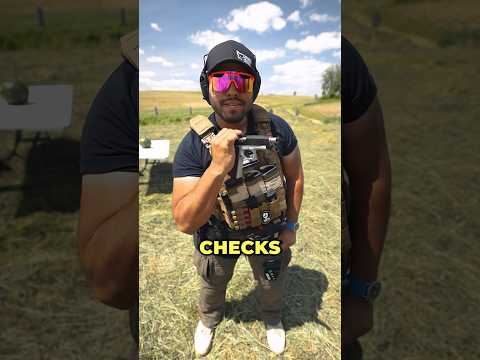
The video features a tan Glock 19X pistol equipped with a Streamlight TLR-1 HL weaponlight and a GPS brand suppressor cover on the firearm's suppressor.

Related News

All News →

More Tactical & Gear Videos You Might Like

More from Johnny Q

View all →