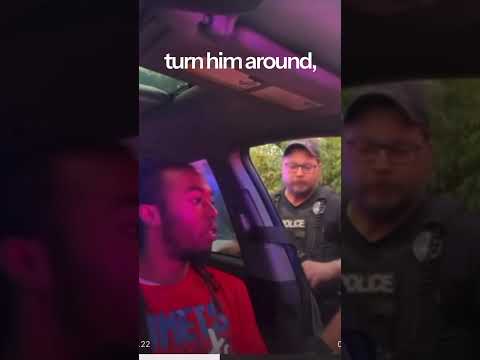
Sonoma County Officer Attempts To Subdue Criminal Before He Gets In His Patrol Car

Published on March 22, 2020
Duration: 11:18

This guide details the tactical response observed in a Sonoma County Sheriff's Office incident, focusing on the sequence of actions from Taser deployment to the use of lethal force. It emphasizes the critical need for officers to be prepared to transition between force options rapidly if less-lethal methods fail, as analyzed by Active Self Protection. The breakdown includes adherence to legal standards like Graham v. Connor and crucial post-incident procedures such as clear communication and muzzle discipline.

Quick Summary

In law enforcement encounters, if a Taser fails to subdue a suspect, officers must immediately reassess the threat and be prepared to transition to lethal force if the suspect continues to pose an imminent danger. This rapid mindset shift is crucial for officer safety and effective threat neutralization, as highlighted in tactical analyses of real-world incidents.

Chapters

  1. 00:00Introduction and Context
  2. 01:09The Encounter and Taser Failure
  3. 01:26Escalation to Lethal Force
  4. 03:53Tactical Analysis: Force Options
  5. 06:18Patrol Car Security and Legal Standards
  6. 09:27Post-Incident Communication and Muzzle Discipline

Frequently Asked Questions

What legal standard governs law enforcement use of force in the US?

The use of force by law enforcement is governed by the 'objective reasonableness' standard established in the Supreme Court case Graham v. Connor, which assesses actions from the perspective of a reasonable officer on the scene.

Why might a Taser fail to subdue a suspect?

A Taser can fail to subdue a suspect due to factors like heavy clothing, which can impede probe penetration and conductivity, or the suspect's physiological resistance and determination.

What is the importance of muzzle discipline in law enforcement encounters?

Muzzle discipline is critical to prevent accidental discharge and ensure safety, especially when multiple officers are present or the immediate threat has been neutralized. It demonstrates control and professionalism under stress.

What should an officer do if a Taser fails during an encounter?

If a Taser fails, the officer must immediately reassess the threat and be prepared to transition to a higher level of force, such as lethal force, if the suspect continues to pose an imminent danger.

More Tactical & Gear Videos You Might Like

More from Active Self Protection

View all →