Stop Buying the WRONG Muzzle Device for Your AR-15

Published on March 27, 2026
Duration: 19:06

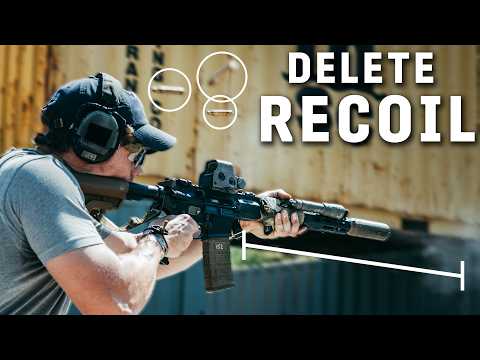
This video, presented by AT3 Tactical, breaks down the physics behind different AR-15 muzzle devices. It explains how flash hiders, muzzle brakes, compensators, hybrid devices, and linear compensators manage propellant gases to reduce muzzle flash, recoil, and muzzle rise, offering a guide to selecting the right device for specific shooting needs.

Quick Summary

Muzzle devices manage hot gases exiting a firearm's barrel. Flash hiders reduce muzzle flash by dispersing gas, muzzle brakes redirect gas backward for recoil reduction, and compensators vent gas upward to control muzzle rise. Hybrid devices combine these functions for balanced performance.

Chapters

  1. 00:00Introduction: The Wrong Muzzle Device Problem
  2. 00:44The Physics of Firearm Operation
  3. 02:06History of Muzzle Devices
  4. 03:41What Muzzle Devices Do
  5. 04:31Flash Hiders Explained
  6. 05:57Types of Flash Hiders (Open vs. Closed Tine)
  7. 07:59Muzzle Brakes Explained
  8. 10:15Compensators Explained
  9. 12:09Hybrid Muzzle Devices
  10. 13:33Linear Compensators / Blast Shields
  11. 15:58Suppressors (Cans) Overview
  12. 18:08Conclusion: Muzzle Device Trade-offs

Frequently Asked Questions

What is the main difference between a muzzle brake and a compensator?

A muzzle brake primarily redirects gas backward and sideways to counteract the rearward recoil impulse, while a compensator uses top-facing ports to vent gas upward, controlling muzzle rise or 'flip'.

How does a flash hider work to reduce muzzle flash?

Flash hiders use internal slots or prongs to slice the hot muzzle gas into multiple smaller jets. This increases the gas's surface area, allowing it to cool and disperse more rapidly, making the visible flash almost invisible.

What are the downsides of using a muzzle brake?

Muzzle brakes create significant concussive side blasts that can be unpleasant for bystanders, especially in indoor shooting environments. They can also kick up dust and debris when shooting prone.

Are hybrid muzzle devices a good compromise?

Yes, hybrid devices offer a balance by incorporating features of both muzzle brakes (side ports for recoil reduction) and compensators (top ports for muzzle rise control), providing a well-rounded performance without extreme trade-offs.

More Tactical & Gear Videos You Might Like

More from AT3 Tactical

View all →