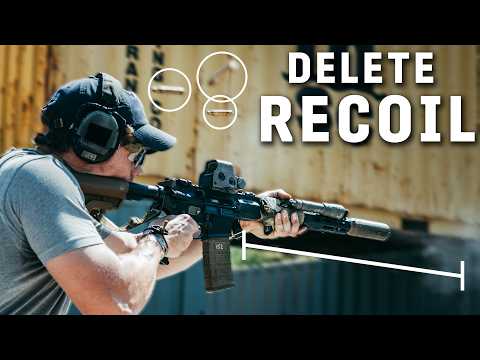
Watch This BEFORE You Buy A Muzzle Device

Published on April 29, 2025
Duration: 24:49

This video provides a comprehensive overview of muzzle devices, categorizing them into flash hiders, compensators, and muzzle brakes. It details the function of each type, highlighting their respective benefits and drawbacks, such as flash reduction, recoil mitigation, and the resulting increase in noise and concussion. The presenters emphasize that the choice of muzzle device should align with the user's specific mission and consider factors like suppressor compatibility and barrel length, stressing that there is no 'one size fits all' solution and that every choice involves trade-offs.


Quick Summary

Muzzle devices fall into three main categories: flash hiders, compensators, and muzzle brakes. Flash hiders reduce muzzle flash, compensators reduce muzzle rise, and brakes significantly reduce recoil. Each type has trade-offs, such as increased noise and concussion with compensators and brakes, while flash hiders offer minimal recoil reduction. The choice depends on your specific needs, like night shooting or competition.

Chapters

  1. 00:01Introduction to Muzzle Devices
  2. 01:06Three Trains of Thought: Flash Hiders, Comps, Brakes
  3. 01:15What is a Flash Hider?
  4. 01:48What is a Compensator?
  5. 02:31What is a Muzzle Brake?
  6. 03:00Personal Muzzle Device Mistake
  7. 03:54Deep Dive: Flash Hiders
  8. 04:19Closed Tine vs. Open Tine Flash Hiders
  9. 05:02Three-Prong vs. Four-Prong Flash Hiders
  10. 06:34Suppressor Ready & Compatibility
  11. 08:34Revisiting the A2 as a Compensator
  12. 09:56Deep Dive: Compensators
  13. 10:22The Infamous Cherry Bomb
  14. 11:04Suppressor Host Capabilities
  15. 12:20The Surefire War Comp
  16. 13:09AK Muzzle Device Timing Example
  17. 14:08Deep Dive: Muzzle Brakes
  18. 14:51Concussion and Loudness of Brakes
  19. 15:33Hux Works Muzzle Brake
  20. 16:04Brakes as Sacrificial Baffles
  21. 17:11Muzzle Device Ecosystem & Compatibility
  22. 17:54Surefire Two-Chamber Muzzle Brake on AK
  23. 18:47Chamber Count in Muzzle Brakes
  24. 20:26US Arms Co. 'Beaver Tail' Brake
  25. 21:17The Trade-Offs of Muzzle Brakes
  26. 22:06Summary: Flash Hiders, Comps, Brakes
  27. 22:22Choosing the Right Muzzle Device for Your Mission
  28. 22:47Muzzle Brakes on Precision Guns
  29. 23:22Viewer Preferences and Linear Comps
  30. 23:47Night Shooting and Flash

Frequently Asked Questions

What are the three main types of muzzle devices?

The three main categories of muzzle devices are flash hiders, compensators, and muzzle brakes. Flash hiders reduce muzzle flash, compensators reduce muzzle rise, and muzzle brakes significantly reduce recoil.

What is the primary function of a flash hider?

A flash hider's primary function is to reduce muzzle flash. It does this by allowing expanding gases to cool and dissipate before exiting the barrel, minimizing the visible signature of a fired round.

How does a muzzle brake reduce recoil?

Muzzle brakes reduce recoil by aggressively redirecting propellant gases through extensive porting. This redirection creates a forward thrust that counteracts the backward force of recoil, making the firearm shoot flatter.

What are the trade-offs when choosing a muzzle device?

The main trade-offs involve balancing flash reduction, recoil mitigation, and muzzle rise control against increased noise and concussion. For example, muzzle brakes offer the most recoil reduction but are the loudest and most concussive.

Can muzzle devices be used with suppressors?

Yes, many muzzle devices are designed to be compatible with suppressors. Some, like the A2 birdcage, are widely compatible, while others are part of specific manufacturer ecosystems. Some brakes can also act as sacrificial baffles for suppressors.

Related News

All News →

More Tactical & Gear Videos You Might Like

More from ClassicFirearms

View all →