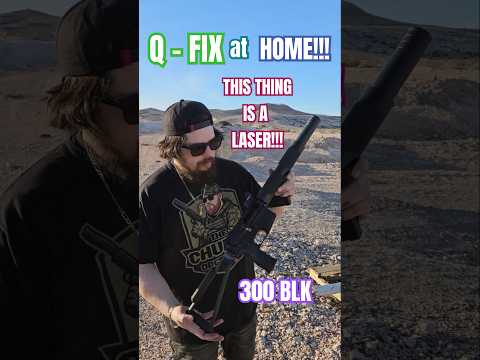
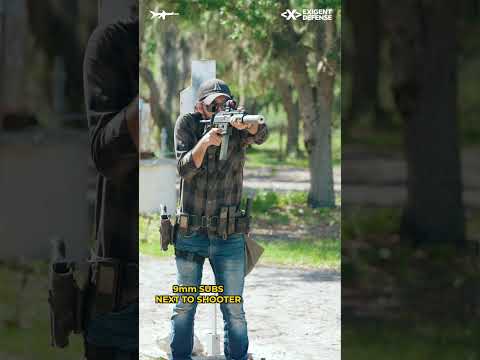
Suppressed 300 Blackout - Subsonic vs Supersonic Ammo!

Published on April 24, 2019
Duration: 9:49

This guide details a comparison of suppressed 300 Blackout ammunition, contrasting subsonic and supersonic loads. The video, presented by a knowledgeable 1ShotTV Host, covers the physics of gunshot noise, live-fire observations, and terminal ballistics testing in gel. It highlights the performance trade-offs between noise reduction and projectile effectiveness.

Quick Summary

When using a suppressed 300 Blackout, subsonic ammunition eliminates the supersonic crack for maximum noise reduction. Supersonic rounds, like the 110gr V-MAX, offer greater penetration and wound cavity in ballistics gel (14 inches), while subsonic rounds, like the 208gr A-MAX, prioritize quietness, often tumbling and showing less expansion.

Chapters

  1. 00:00Introduction to Suppressed 300 Blackout
  2. 00:35Physics of Gunshot Noise
  3. 01:15Ammunition Comparison
  4. 01:50Live Fire: Supersonic vs Subsonic
  5. 04:40Ballistics Gel Testing

Frequently Asked Questions

What is the difference between subsonic and supersonic 300 Blackout ammunition when suppressed?

When suppressed, supersonic 300 Blackout ammo still produces a loud crack as the bullet breaks the sound barrier. Subsonic ammo travels below the speed of sound, eliminating this crack for significantly quieter operation, though terminal ballistics may differ.

How does suppressed 300 Blackout perform in ballistics gel?

In ballistics gel, a 110gr supersonic 300 Blackout round penetrated 14 inches with significant fragmentation and a large wound cavity. A 208gr subsonic round tumbled, showed less expansion, and had a less dramatic effect.

What are the two main sounds of a gunshot?

The two main sounds of a gunshot are the muzzle blast, which is the explosion of gunpowder, and the supersonic crack, which occurs when the bullet travels faster than the speed of sound and creates a shockwave.

Which 300 Blackout ammunition is quieter when suppressed?

Subsonic 300 Blackout ammunition is significantly quieter when suppressed because it travels below the speed of sound, eliminating the audible crack. Supersonic ammunition, even when suppressed, will still produce this crack.

Related News

All News →

More Tactical & Gear Videos You Might Like

More from 1ShotTV

View all →