Suppressors Don’t Need to be Clean

Published on March 12, 2026
Duration: 15:21

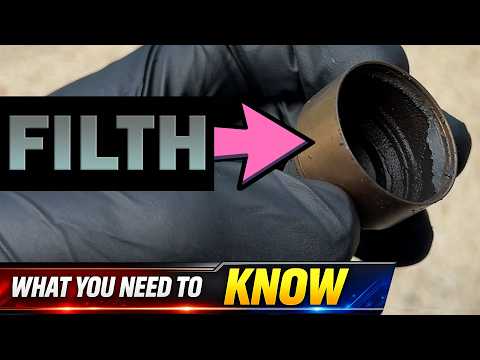
This guide details the proper cleaning and maintenance of firearm suppressors, emphasizing that they require less frequent cleaning than firearms and that aggressive cleaning methods can be detrimental. It highlights the unique composition of fouling in suppressors, primarily carbon with significant lead and copper, and recommends mild, water-based cleaning solutions. Special attention is given to rimfire and corrosive ammunition, which necessitate more immediate cleaning due to salt buildup.


Quick Summary

Suppressors don't require frequent cleaning; a general guideline is once a year. A moderate amount of carbon buildup can even enhance performance. For cleaning, use hot water and dish soap, avoiding harsh lead removal solvents which create toxic byproducts. Rimfire and corrosive ammunition necessitate more immediate cleaning due to salt buildup.

Chapters

  1. 00:00Introduction & Subscription Check
  2. 00:22Topic: Suppressor Cleaning Misconceptions
  3. 01:13Short Form Video Recap & Today's Goal
  4. 01:53Sponsor: Modern Gun School
  5. 02:25Otis Technology Suppressor Cleaning Kit
  6. 03:11Fouling Composition in Suppressors
  7. 04:00Shifting Balance in Suppressor Fouling
  8. 04:16Copper vs. Lead in Barrels vs. Suppressors
  9. 05:22The 'Concrete' Analogy for Suppressor Gunk
  10. 06:06Carboned-Up Suppressors Outperform New Ones
  11. 06:54Entropy is Your Friend: Suppressor Performance
  12. 07:14The Balance: Dirty vs. Choked Suppressor
  13. 08:03Dangerous Cleaning Methods to Avoid
  14. 09:00The 'Dip' and Toxic Byproducts
  15. 10:35General Rule of Thumb for Cleaning Intervals
  16. 11:08Major Exception: Corrosive Ammunition & Rimfire
  17. 11:52Recommended Cleaning Method: Hot Soapy Water
  18. 12:09Ultrasonic Cleaners & Cautions
  19. 12:17Post-Soak Firing Technique
  20. 13:22The Occlusion Factor & Real-World Data
  21. 14:38Customer Service vs. Material Science
  22. 14:53Internet Trolls & Misinformation
  23. 14:59Conclusion & Viewer Engagement

Frequently Asked Questions

How often should I clean my firearm suppressor?

Suppressors should be cleaned sparingly, with a general guideline of once a year. However, this can vary based on usage, ammunition type (especially corrosive or rimfire), and the specific suppressor design. Over-cleaning with harsh chemicals is generally not recommended.

What is the best way to clean a suppressor?

For most suppressors, hot water and dish soap is an effective and safe cleaning method. Soak the suppressor, then rinse thoroughly. For non-user serviceable cans, firing a few rounds after soaking can help dislodge debris. Avoid aggressive lead removal solvents.

Can a dirty suppressor perform better than a clean one?

Yes, a suppressor with a moderate amount of carbon buildup can actually outperform a factory-new suppressor. The carbon matrix increases surface chaos at a microscopic level, which is beneficial for suppressor performance up to a certain point.

Why should I avoid lead removal solvents on suppressors?

Suppressors accumulate significantly more lead and copper than firearm barrels. Using lead removal solvents can create highly toxic byproducts that are easily absorbed through the skin, posing serious health risks. Mild, water-based cleaning is safer.

More Tactical & Gear Videos You Might Like

More from The VSO Gun Channel

View all →