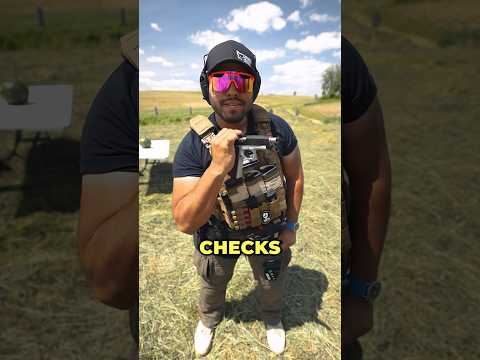
The Bullet Proof Plates I Use Inside My Vest!

Published on April 30, 2023
Duration: 0:41

This video reviews AR500 Armor steel plates, highlighting their protection against 7.62 FMJ rounds. The presenter, Johnny Q, discusses the risk of spalling with steel plates and recommends ceramic alternatives for better safety. While steel plates can be cost-effective, ceramic offers superior performance and reduced fragmentation risk.

Quick Summary

AR500 Armor steel plates are rated to stop 7.62 FMJ steel jacketed bullets. However, a significant risk with steel plates is 'spalling,' where fragments can ricochet upwards. For enhanced safety, ceramic plates are generally recommended over steel due to reduced fragmentation risk.

Chapters

  1. 00:00Intro: Viewer Request & Plate Carrier Setup
  2. 00:07Product Reveal: AR500 Armor Steel Plate
  3. 00:18Technical Specs: 7.62 FMJ Protection
  4. 00:23Safety Warning: Spalling Risk Explained
  5. 00:33Recommendation: Ceramic vs. Steel Plates

Frequently Asked Questions

What type of bullet can AR500 Armor steel plates stop?

The AR500 Armor steel plates shown in the video are rated to protect against 7.62 FMJ steel jacketed bullets. This indicates a certain level of ballistic protection suitable for common rifle threats.

What is the main safety concern with steel ballistic plates?

The primary safety concern with steel ballistic plates is 'spalling.' This occurs when bullet impacts cause fragments of the bullet and the plate material to deflect upwards, potentially towards the user's neck and face.

Are steel plates better than ceramic plates for body armor?

While steel plates can be effective and sometimes more affordable, ceramic plates are generally recommended for better safety and performance. Ceramic plates typically offer better protection against fragmentation and reduce the risk of spalling compared to steel.

What does 'spalling' mean in the context of body armor?

Spalling refers to the dangerous phenomenon where bullet impacts on armor, particularly steel plates, cause fragments of both the bullet and the plate itself to break off and ricochet. These fragments can travel upwards, posing a significant risk to the wearer's unprotected areas like the face and neck.

Related News

All News →

More Tactical & Gear Videos You Might Like

More from Johnny Q

View all →